


“No matter how good the performances are or how interesting a life Charles Parker had, it’s still a very long movie that had me tapping my toes a LOT.”
Moving right along on my Clint Eastwood-directed films, this is the first movie that Eastwood has directed where he has not cast himself in a role. In Breezy, he cast himself as a non-speaking background extra, but in Bird, he is nowhere to be seen. Initially, that certainly seems to be the right move, as Bird was the first time he received significant awards. It won for Best Sound at the Academy Awards, earned Golden Globe nominations for Best Director, Best Actor, and Best Supporting Actress (with Eastwood winning Best Director), and even took home a few awards at the Cannes Film Festival, along with a handful of smaller wins.
This was a pretty critically successful movie, even though it was a box office failure. The production budget was estimated to be around $9–14 million dollars, while the worldwide box office was $2.2 million, mostly because it came out as a limited release.
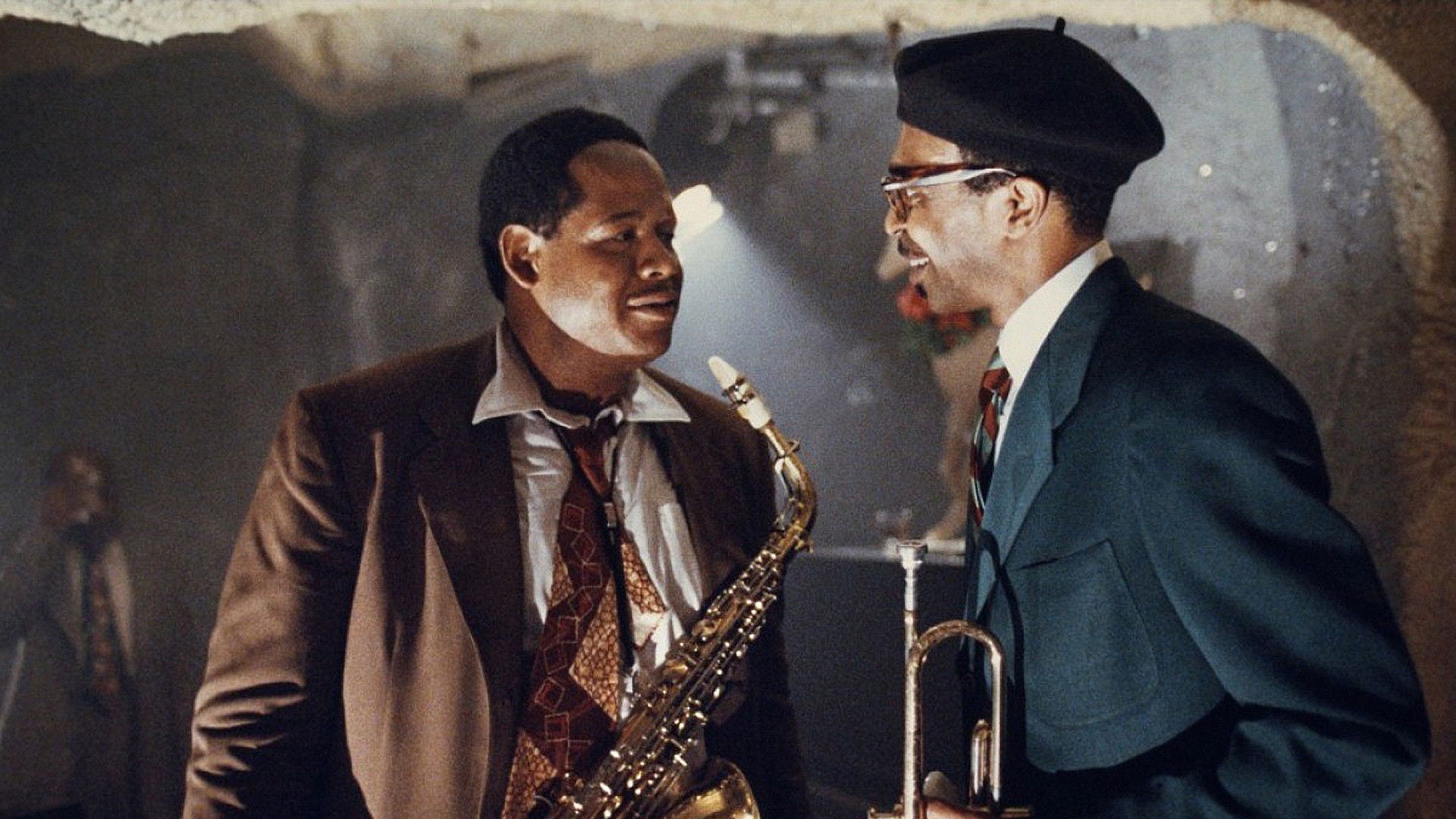
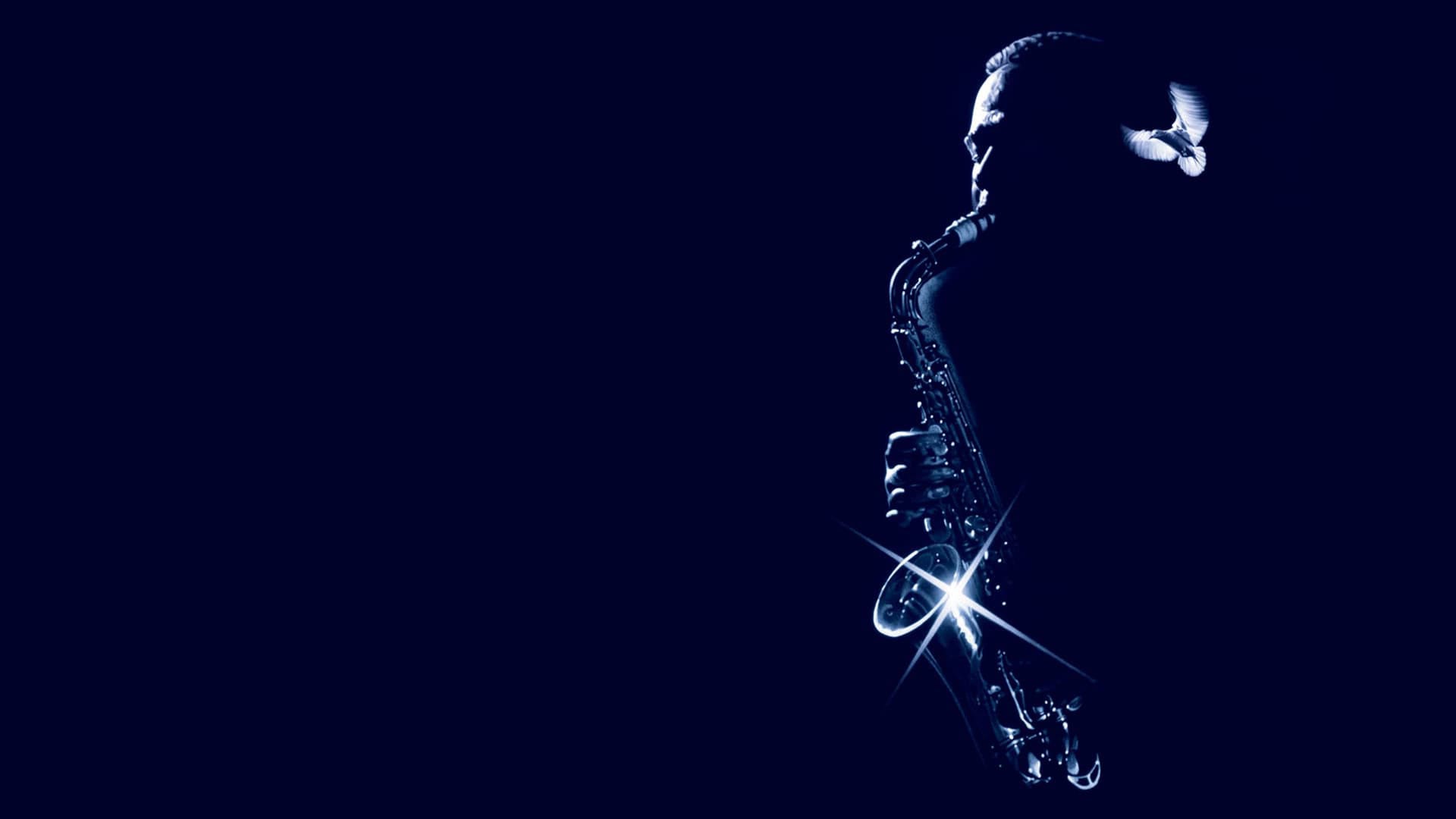
Now, it comes as no surprise that Clint Eastwood made a movie about a jazz musician, as this is a topic that has always interested him as a lifelong fan. Specifically, the life of Charles Parker—aka Yardbird, aka Bird—because of his contributions to the genre and his invention of bebop, a modern variation of jazz. Beyond that, the man lived kind of a tragic existence during his short time on this planet, given his various addictions to heroin and alcohol, a death in the family, and at the end of the day, an early death. Yet, his contribution to jazz music is considered legendary all the same.
Forest Whitaker as Charles Parker is very good. From the beginning of the film to the end, he carries the movie on his shoulders and never ceases to surprise. He’s had a lot of fantastic roles over his career, so it’s hard to say which performance is his best, but his portrayal of Charles Parker is probably up there. You believe it... you really do. You believe it when he’s a little bit more giddy, happy, and energetic, and you believe it as well when he’s at his lowest points and susceptible to drinking and shooting up.
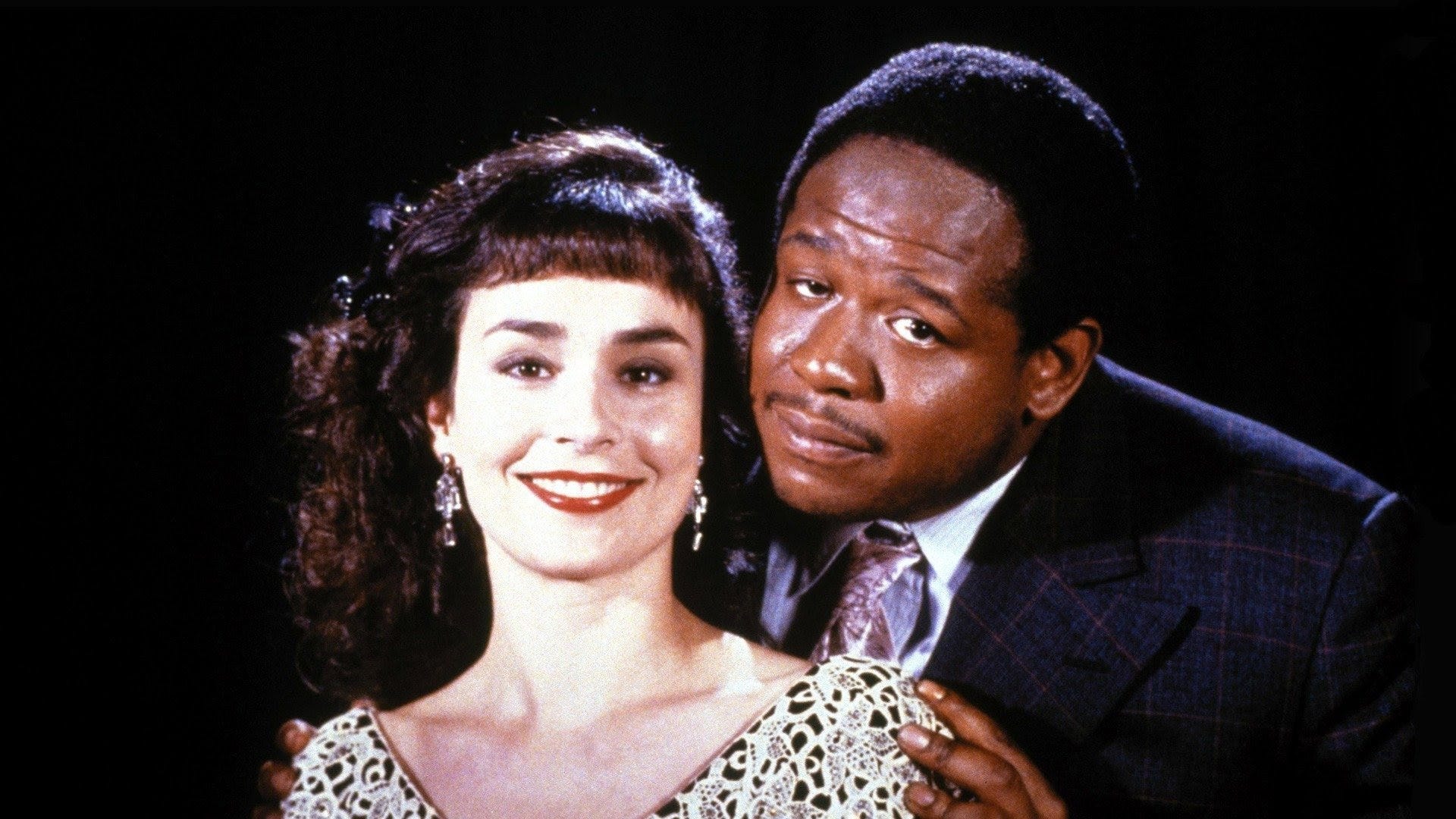
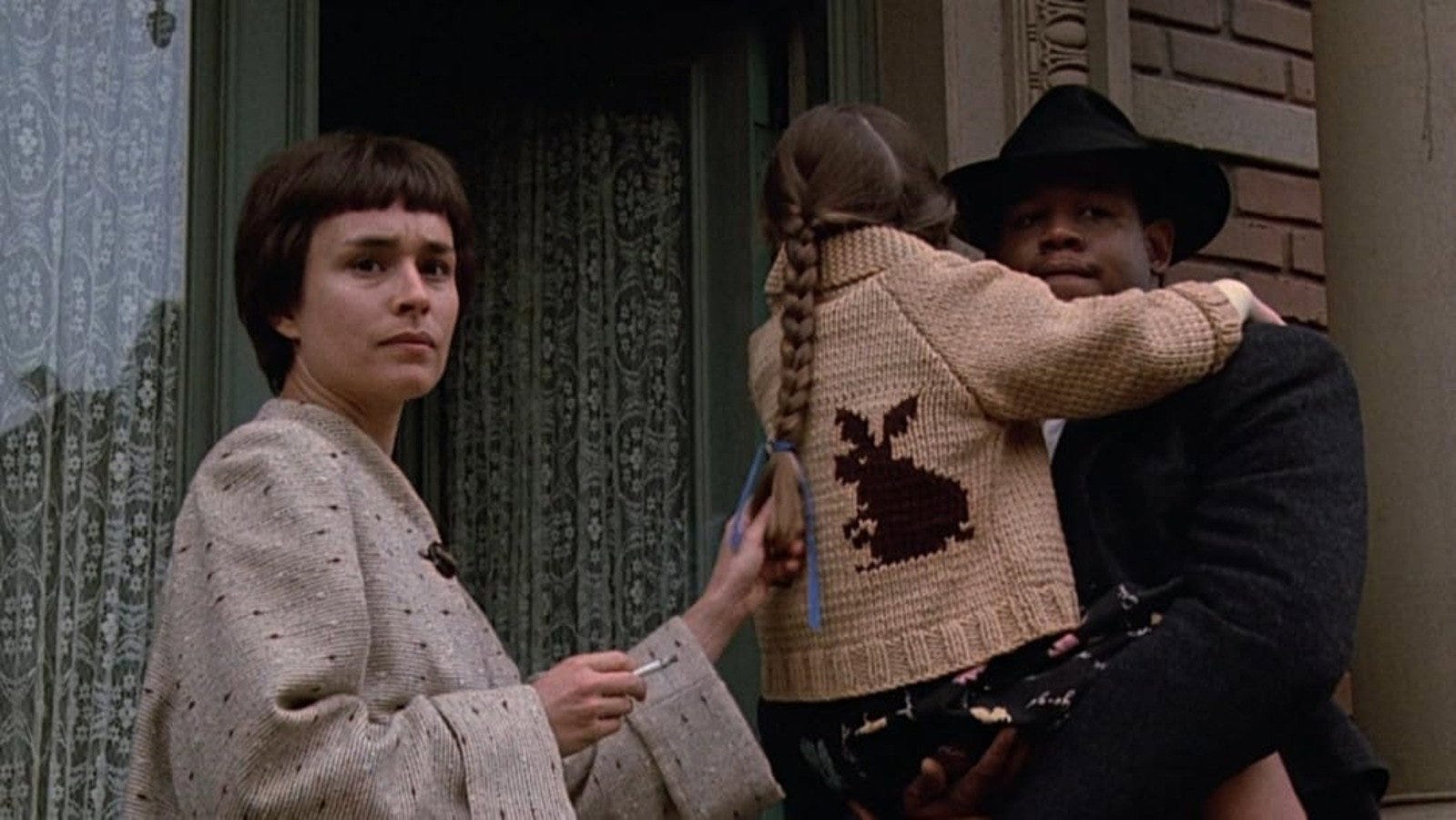
Opposite Forest is Diane Venora as his wife, Chan. I don’t know if I’ve seen her in anything other than this, but she really knocked it out of the park. I would almost say she was more of an MVP in this film than Forest Whitaker. Her attitude, behaviors, sarcasm at times, and genuine silent worry are sometimes the most compelling displays of performance in the film. Past them, you have Forest Whitaker’s brother who plays the younger version of Charles Parker, and what a choice for casting. He looks very similar to his brother, obviously... back before they even knew what de-aging was.
Past all that, I think it’s important to discuss the editing of the film. So, what Eastwood was going for—or at least I think he was, based on what I read—was that he wanted the pacing of the film itself to mimic how jazz works. So it is non-linear and literally all over the place, and I guess that makes sense. Jazz isn’t a specific type of art like other musicians who have sheet music. From my understanding, you mostly play what feels right in your soul. So, it follows the beat of the heart or what’s on his mind at the time. For most movies, we just look at this like flashbacks with a slight edge of non-linear storytelling overall. I think that’s fine. I think Eastwood was going for something more specific, but I don’t think it plays out exactly as intended... but for what it’s worth, it’s fine.
Here’s the thing, though. The movie is literally 2 hours and 40 minutes long, and you feel it. This film is far too long for what was necessary. No matter how good the performances are or how interesting a life Charles Parker had, it’s still a very long movie that had me tapping my toes a LOT.
Prior to watching all of Clint Eastwood’s directed films, I covered Spielberg’s movies, and thematically, Bird reminds me of a really long and boring biopic Spielberg also made: Lincoln. Both movies feature a lot of technically savvy things, performances that blow you away, and accolade-deserving aspects. I appreciate so much of both movies, but I’m also haunted by the same question for both films... why should I care?
With biopics, you essentially want one of two things, which I think are the same two things you are looking for with a documentary. First of all, if it’s a person I’m already familiar with, I want the film to teach me something new and interesting about them. However, if it’s featuring someone I’m not already familiar with, like with Charles Parker, I want it to introduce me to the character in an interesting enough way to get me invested and interested in learning more about the real man after I watch the movie. A good biopic of a jazz musician would have me immediately looking him up and listening to his music after watching the movie.
Unfortunately, none of that happened with my experience of Bird. I went into the movie not really loving jazz. I appreciate it for what it is, but it’s not my go-to genre. And I came out of it with the exact same experience. So, the movie didn’t interest me more in jazz, and it also didn’t really interest me in learning more about Charles Parker.
Personally, I think the movie would have worked a lot better if it had just stuck with a two-hour runtime. Fact of the matter is, thanks to the non-linear storytelling, a lot of this movie operates like a broken record. His life operates kind of like a broken record. When times get tough, the man drinks or shoots up heroin, and then has to deal with the after-effects. Rinse and repeat. I’m not saying that’s not compelling... however, it does get old when we see it happen over and over again for 2 hours and 40 minutes. It needed to be shorter.
Technical/Unbiased Score: 33/50 (66%)
Biased/Entertainment Score: 27/50 (54%)
Total Combined Score: 60/100 (60% or 3/5 on Letterboxd)