
White Hunter, Black Heart (1990) | Clint Eastwood’s Fascinating, Flawed Misfit


As our Clint Eastwood direct-a-thon rolls into the 1990s, we’ve hit a truly fascinating pit stop. White Hunter Black Heart (1990) is… different. Weird, even. It sits awkwardly in Eastwood’s filmography, wholly unlike the lean, taciturn cinema we usually associate with him. Yet, even when the movie stumbles, it wrestles with themes that are impossible to ignore: the destructive nature of unchecked obsession and the wreckage left in its wake.
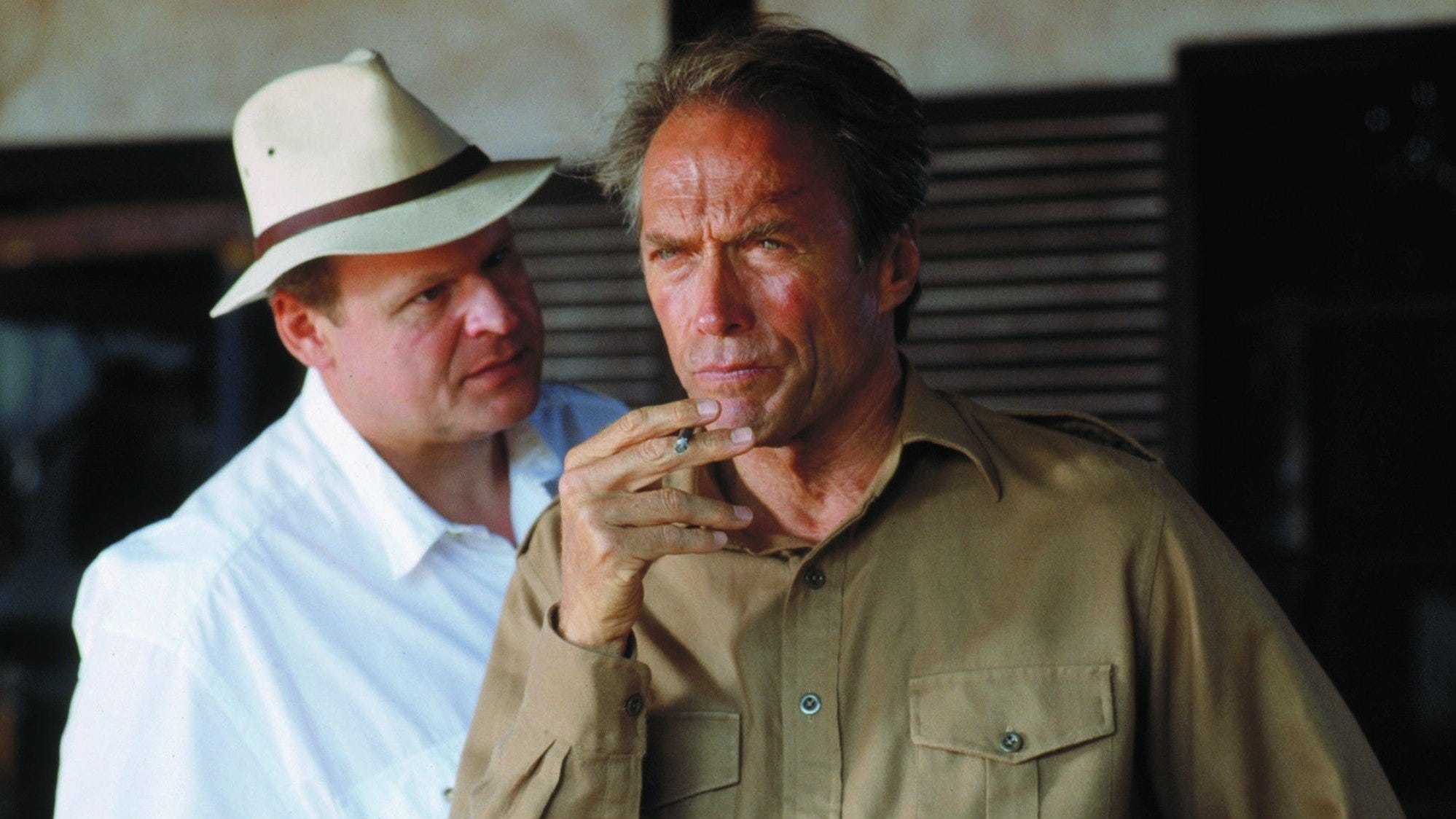
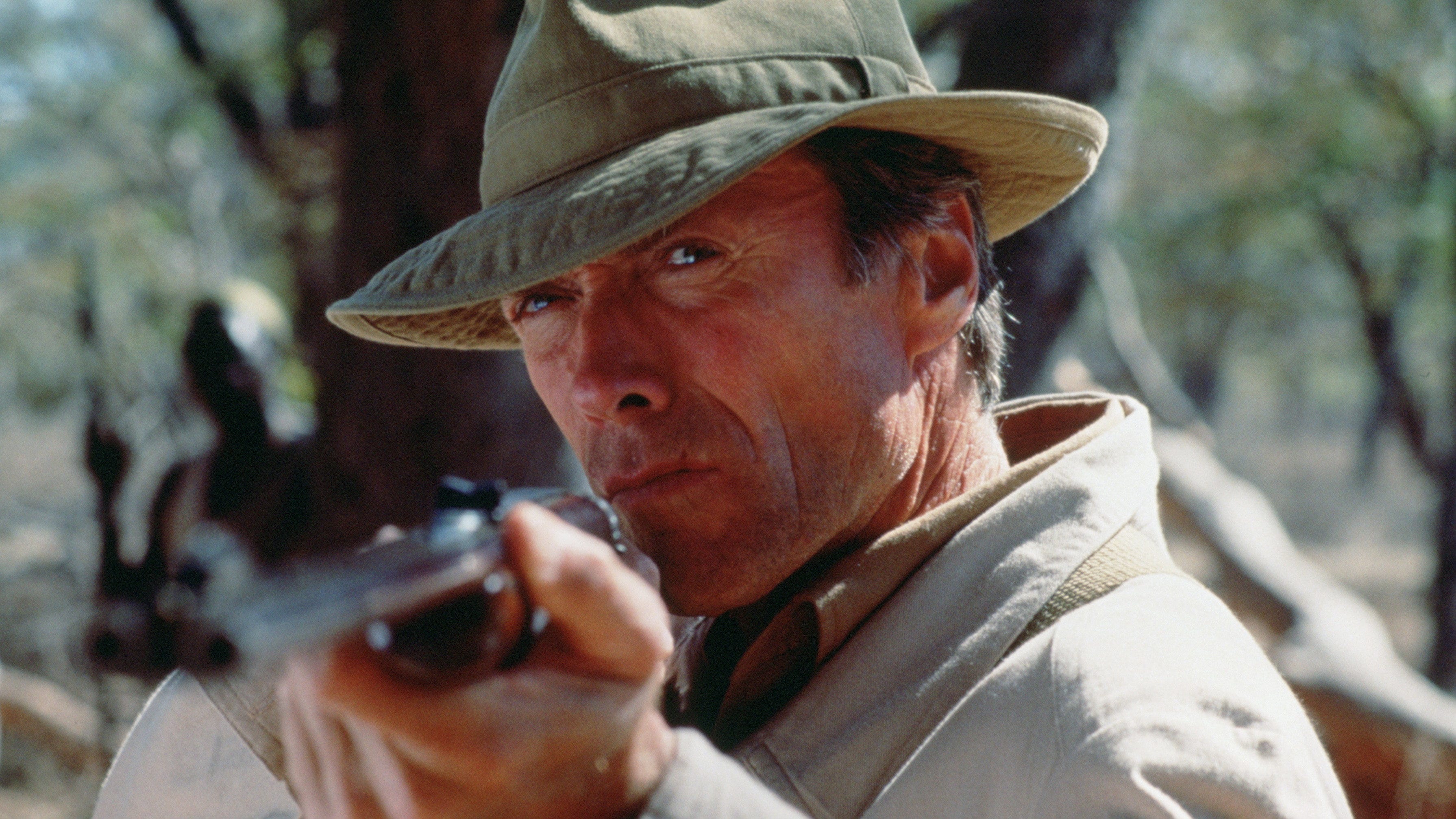
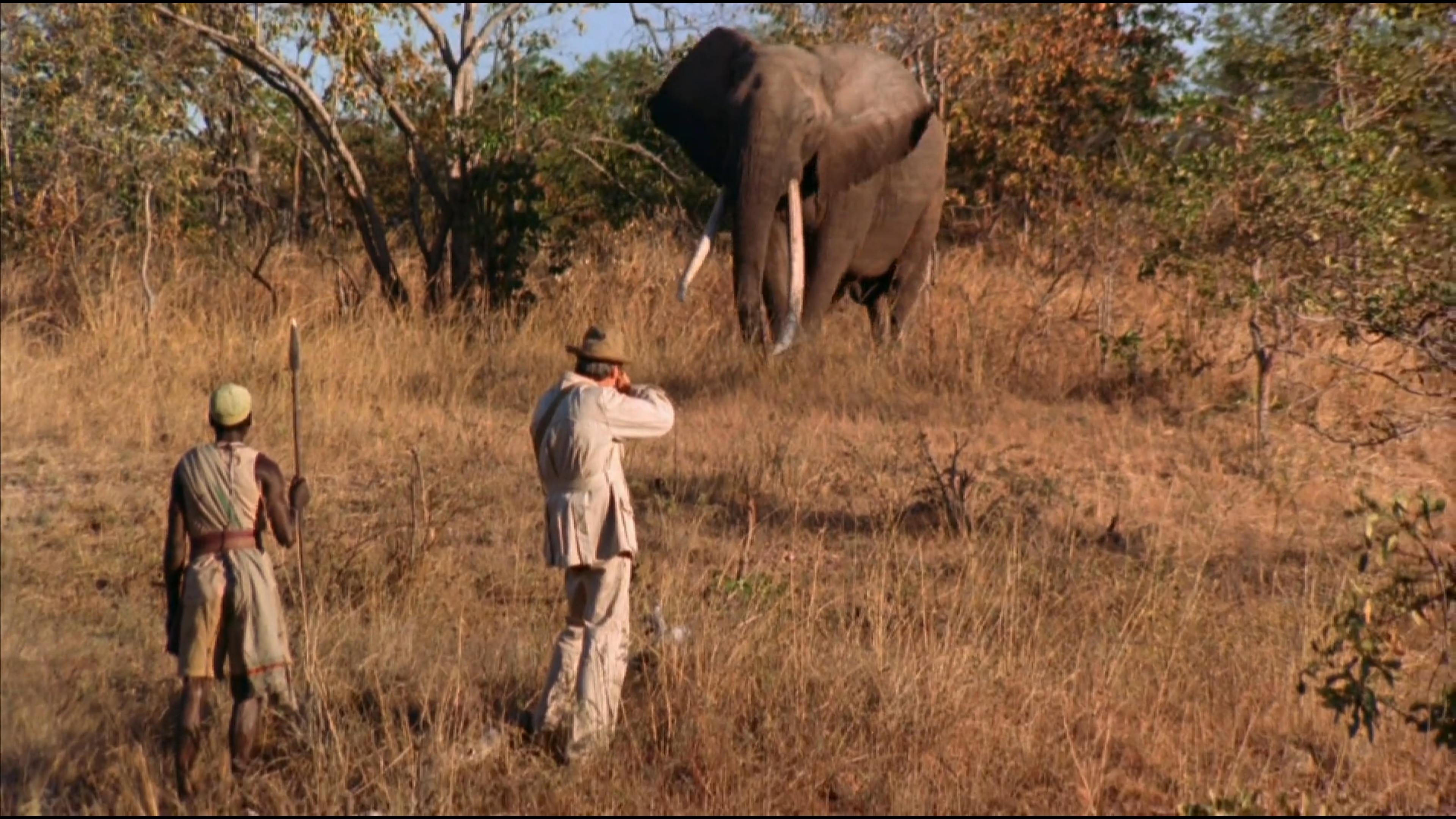
Adapted from Peter Viertel’s 1953 novel, the film casts Eastwood as John Wilson, a fictionalized stand-in for legendary director John Huston. Wilson drags his cast and crew out to Africa under the banner of making a film (a nod to the production of The African Queen), only to completely abandon the project once his boots hit the dirt. His real goal? Hunting a massive wild elephant.
The Core Theme: Obsession as a “Sin”
Where the film succeeds most is in its thematic spine. Wilson’s obsession isn’t framed as a grand heroic pursuit; it’s an ugly, intoxicating virus. When challenged on his relentless drive to kill an elephant, Wilson admits he must do it precisely because it is wrong:
“It’s not a crime to kill an elephant. It’s more than a crime. It’s a sin... That’s why I want to do it.”
It’s an ambiguous, dark line of dialogue that encapsulates the black heart inside this white hunter. It’s the ultimate act of selfish ego—doing something monstrous simply because he has the power and access to do so. As the narrative marches toward its tragic conclusion, Gamora’s iconic question to Thanos in Infinity War comes to mind: “What did it cost?”
And the film’s answer, just like Thanos’s, is everything.
Where the Film Struggles
Despite its strong thematic core and breathtaking on-location photography across Zimbabwe, the movie hits two major structural speedbumps that keep it from landing among Eastwood’s top-tier work.
1. Eastwood’s Uncharacteristic Performance
We know Clint Eastwood for his minimalist mastery—the low growls, the side-eye squints, the reactionary silence. John Huston, by contrast, was a booming, theatrical, verbose blowhard. Eastwood trying to emulate Huston means we get a bubbly, high-energy, bombastic Clint.
It simply doesn’t fit like a glove. The performance feels overly theatrical and stiff, precisely because those mannerisms don’t flow naturally from him. Eastwood himself acknowledged the gamble:
“I may have gone way over the wall, I may have gone too far. But I didn’t want to be too careful and wind up not doing anything.”
You have to respect the risk, but the execution leaves the central character feeling like a caricature rather than a living, breathing person.
2. A Distorted View of Priorities
Narratively, the film asks us to buy into Wilson as a brilliant, passionate filmmaker whose art is corrupted by his hunt. But the script shows us almost zero passion for cinema from the start.
Right out of the gate, Wilson treats the movie with utter contempt:
He doesn’t care about the budget or script adjustments.
He refuses to shoot in cheaper, safer studio settings.
He treats the entire production as merely a company-sponsored voucher to get to Africa.
This creates a weird narrative vacuum. If he’s a wealthy, elite director, why go through the elaborate farce of mounting a multi-million-dollar movie just to go hunting? Why not just take a vacation? By failing to establish his legitimate love for the craft before the obsession takes root, the movie loses the tension of watching a great artist fall from grace. He just looks like a guy abusing his power from scene one.
Final Verdict & Score
White Hunter Black Heart is a rare, ambitious misfire in Eastwood’s library—a film that is visually authentic and philosophically rich, but weighed down by an awkward lead performance and a messy script structure. It’s worth a watch for Eastwood completists, but it won’t be topping anyone’s favorite lists.