

“True masterpieces take a hot minute to ingest and fully appreciate.”
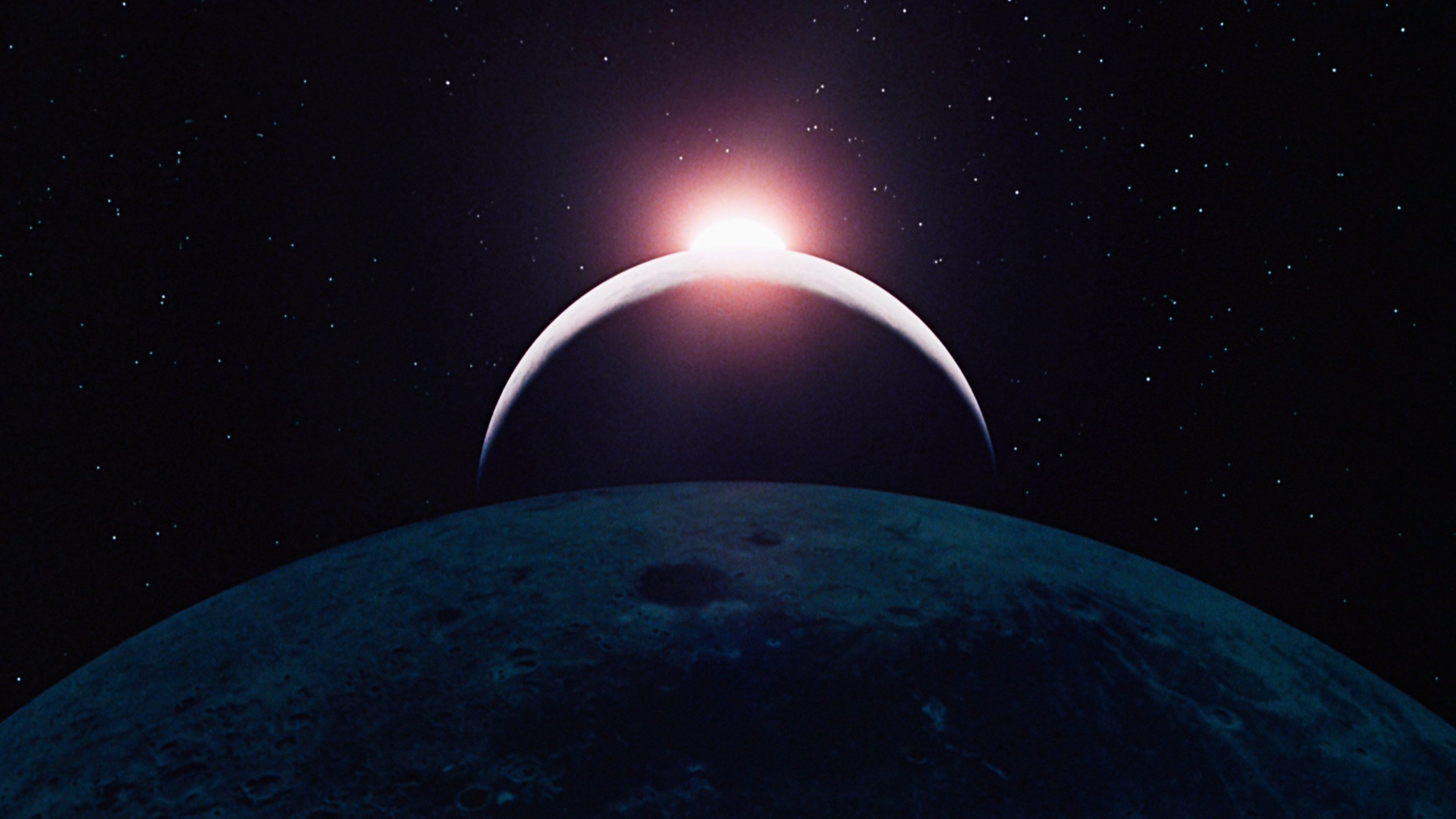
2001: A Space Odyssey was a sci-fi film released in 1968, written and directed by Stanley Kubrick. It stars Keir Dullea as Dave Bowman, Gary Lockwood as Frank, and Douglas Rain as the voice of HAL 9000. Basically, it starts with a giant black rock teaching cavemen how to use bones as weapons... jumps straight into the future where humans find another giant rock on the moon blasting a radio signal to Jupiter... and then sends two astronauts on a spaceship with a creepy, passive-aggressive supercomputer that loses its mind and tries to murder everyone.
A common theme I’ve personally noticed with masterpieces is that they don’t start out that way. Similarly, movies that feel like instant masterpieces when you first see them often lose their luster over years of rewatches. True masterpieces, I feel, take a hot minute to ingest and fully appreciate. 2001: A Space Odyssey is an example of a film that I used to hate but now love.
Like so many others, I was shown A Space Odyssey for the first time during a school project and I detested the entire thing. I thought that while it clearly had a beautiful soundtrack... it was simply put, overly weird, and didn’t even seem to understand what it wanted to convey. I’m happy to report, though, that I’ve seen it multiple times since. Every single time I watch it, my appreciation just gets bigger and bigger, and now I see it as one of the best movies Hollywood has ever put to screen... one of the most classic, original, beautiful, tense, and thought-provoking masterpieces to ever be made. That’s not necessarily saying it’s not still weird. It is. It’s massively strange and trippy, but that just helps contribute to why the film works as well as it does and has spawned countless debates and discussions on what the film is, and what it represents.
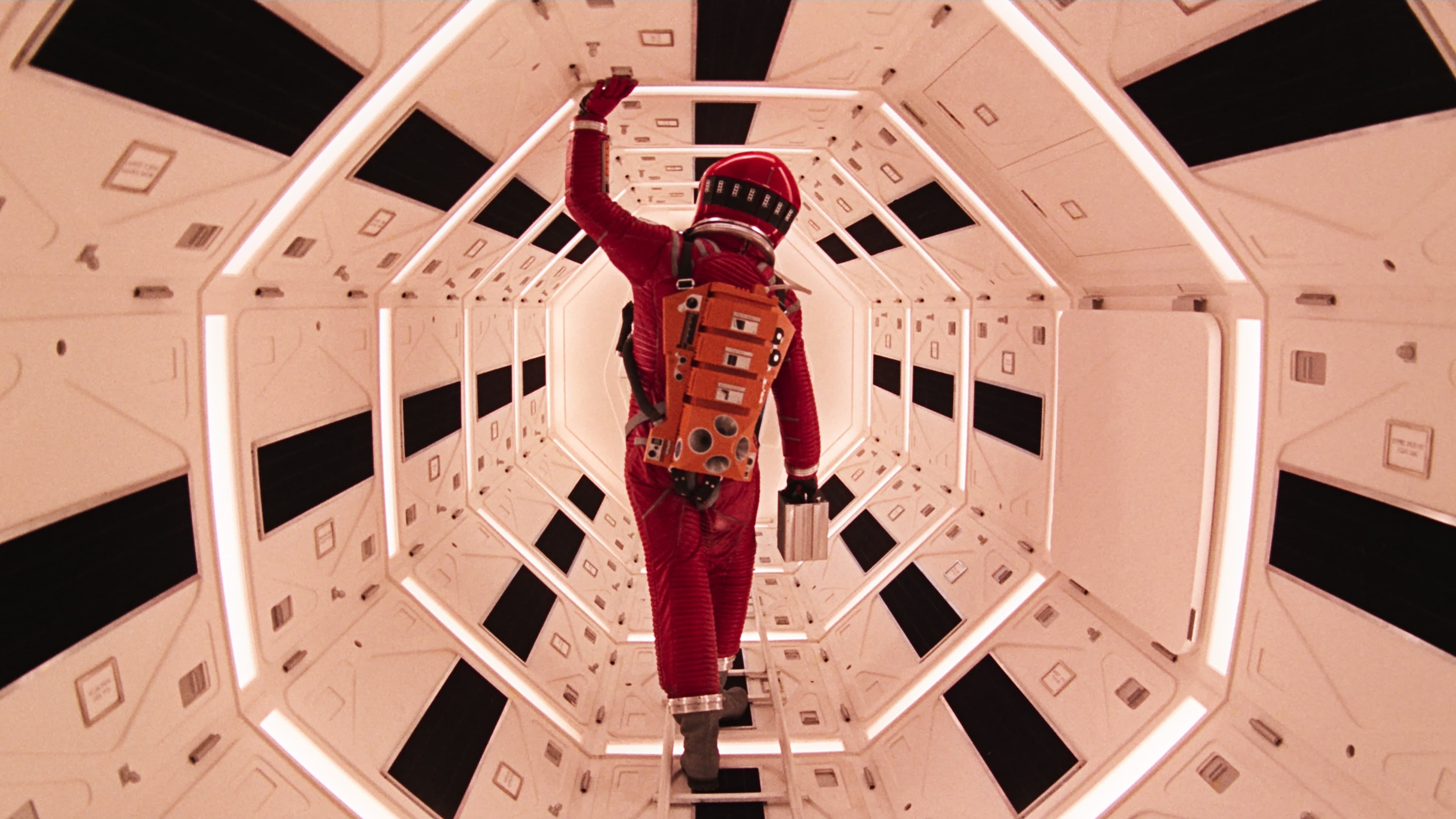
As most already know, the film is split into four primary sections. Each of these sections is very different from one another thematically, but they’re all connected by the central plot device, which, of course, is the monolith.
Section one you’ll remember as the Planet of the Apes bit: The Dawn of Man. This is my least favorite section, mostly because in 1968... it was really hard to do apes realistically without them just looking like humans in costumes. Some of that happens here, but the scene is important to showcase how this monolith, whenever it shows up, plays a vital role in evolution. Every time it shows up, something vital happens.
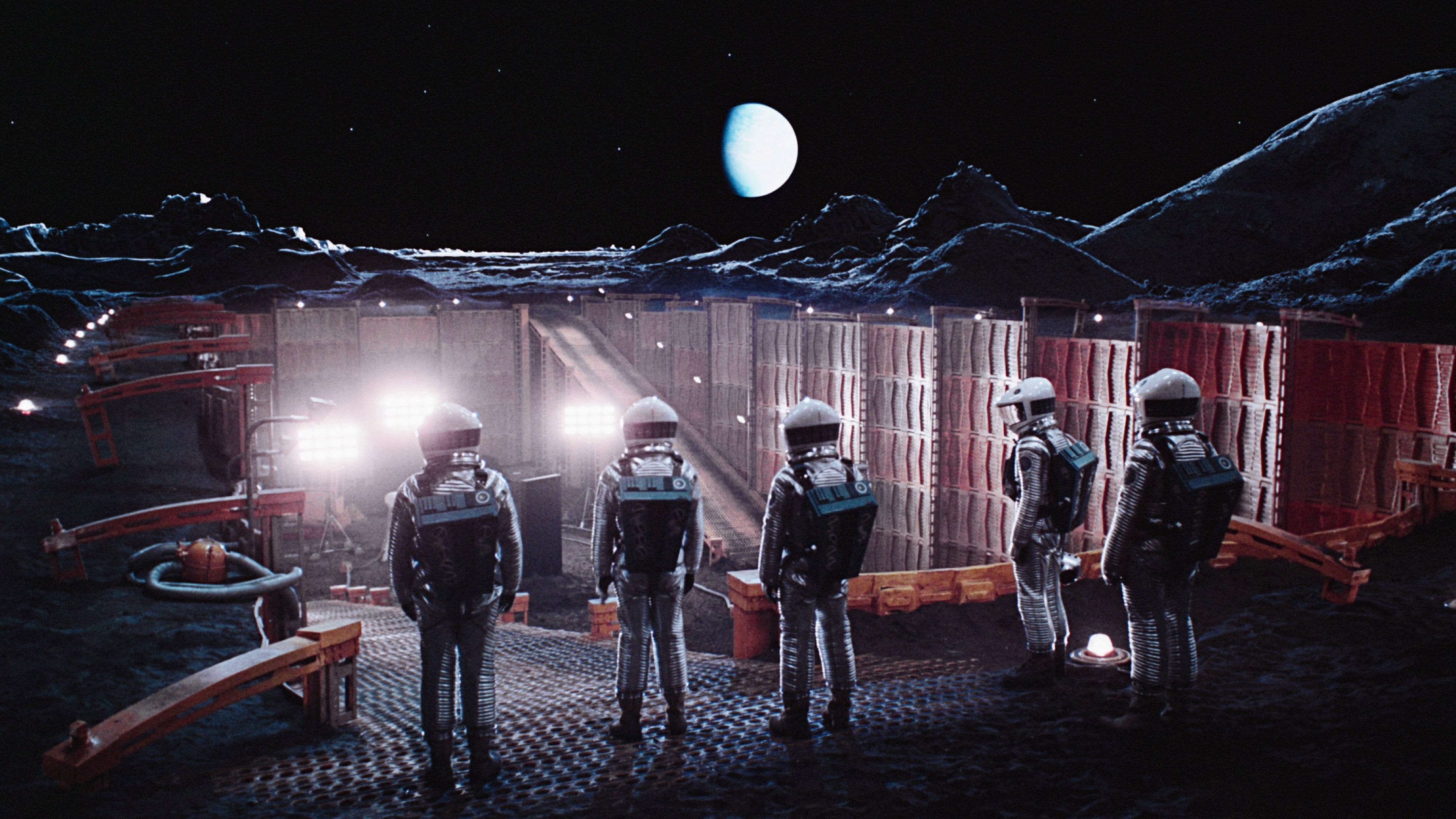
The second section of the film is the shortest, which is the stuff on the moon. Humankind finds the monolith again, which has been sticking out of the surface of the moon for millions of years. When they find it, it once again kick-starts the next section, which makes up a majority of the film: the Jupiter mission with Dave and HAL 9000.
This section is insanely tense, very well-shot and performed, visually stunning, and thought-provoking. It’s mostly what people think of when they think about 2001: A Space Odyssey, and for good reason.
The last section also features Dave, but this is that really trippy, weird part of the movie that is the hardest to describe. Just know there are lots of bright colors whizzing by and a strange hotel... and I’d argue the strength of the editing is mostly found during this portion of the film.
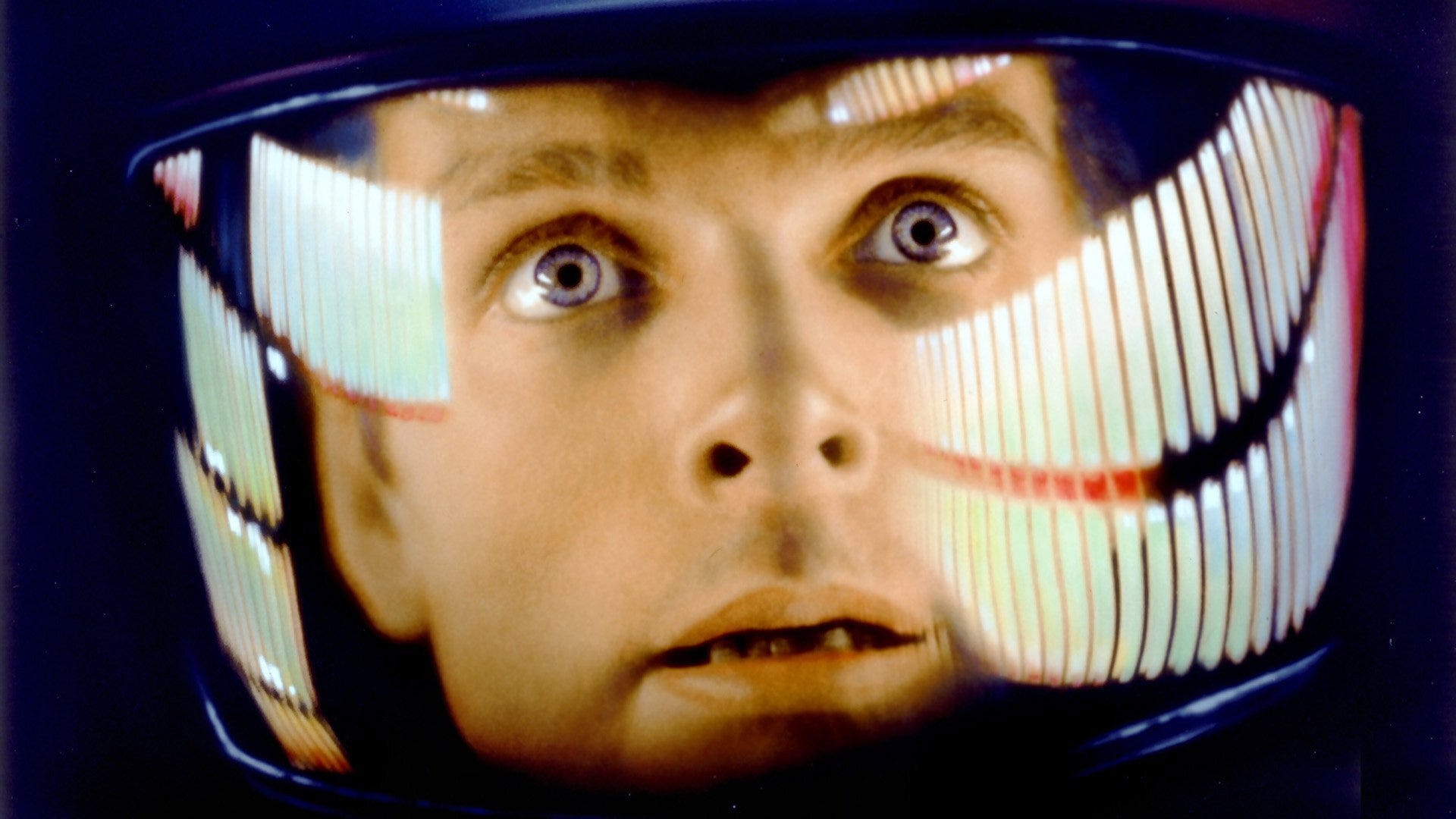
This movie, if you think about it, is kind of all over the place while also being intelligently contained at the same time, as everything has to do with the monolith. I have a feeling that the book it’s based on probably gives the reader more insight into what’s going on than the film does, which prefers the viewers to kind of make up their own mind about what’s going on. So, it might require you to think about those answers independently.
However, I think the more you think about it, the more you realize how smart the film is. The weirdness is only really surface-level, because it’s really a lot smarter than it puts on. Stanley Kubrick is a master at his craft. I haven’t seen a ton of his films... maybe three or four tops, but I have rarely disliked what I’ve seen from a filmmaker’s perspective. His films are beautiful, with unmatched set designs, production designs, color schemes, and framing. Oftentimes, the musical score he chooses is immaculate. Everything he does is instantly classic, and the same goes here. This is probably his best movie, even though I haven’t seen everything else he’s done.
Unbiased/Technical Score: 49/50 or 98%
Biased/Entertainment Score: 49/50 or 98%
Total Combined Score: 98/100 or 98% (5/5 on Letterboxd)
This is my favorite of Stanley’s filmography. Saw it back in 2016 during the summer and I was instantly enamored by it. I can see it’s not for everyone but I think it’s solid.