The Southern Gothic Charm and Pacing Flaws of 'MIDNIGHT IN THE GARDEN OF GOOD AND EVIL'

“At the end of the day, I don’t mind the movie, I just think it’s too long.”
MIDNIGHT IN THE GARDEN OF GOOD AND EVIL was a crime drama-mystery film that was released in 1997, directed by Clint Eastwood, written by John Lee Hancock, and starring John Cusack as John Kelso as well as Kevin Spacey as Jim Williams... and it’s basically about a magazine writer who rolls into Savannah to cover a fancy Christmas party thrown by a rich antique dealer, but everything goes completely off the rails when the host shoots his volatile lover; the writer sticks around to cover the wild murder trial, hanging out with all the town’s oddballs, local eccentrics, and even a voodoo priestess to figure out if it was actual self-defense or straight-up murder.
Back when I was going through my marathon of Steven Spielberg films, one thing I quickly realized was how often he would have two movies release in the same year. That alone is a feat, but because it was Spielberg, you often would have masterpiece after masterpiece, like in 1993, when he released both Jurassic Park and Schindler’s List. Clint Eastwood also sometimes would release two films in the same year. In fact, this happened seven times throughout his career. However, I’d be remiss not to also mention he’s no Spielberg... so his double features aren’t always masterpieces, but that doesn’t take away from the hard work necessary to pull this off. 1997 was one such year. This was the year he released Absolute Power and what we are discussing today, his 20th feature film overall, MIDNIGHT IN THE GARDEN OF GOOD AND EVIL.
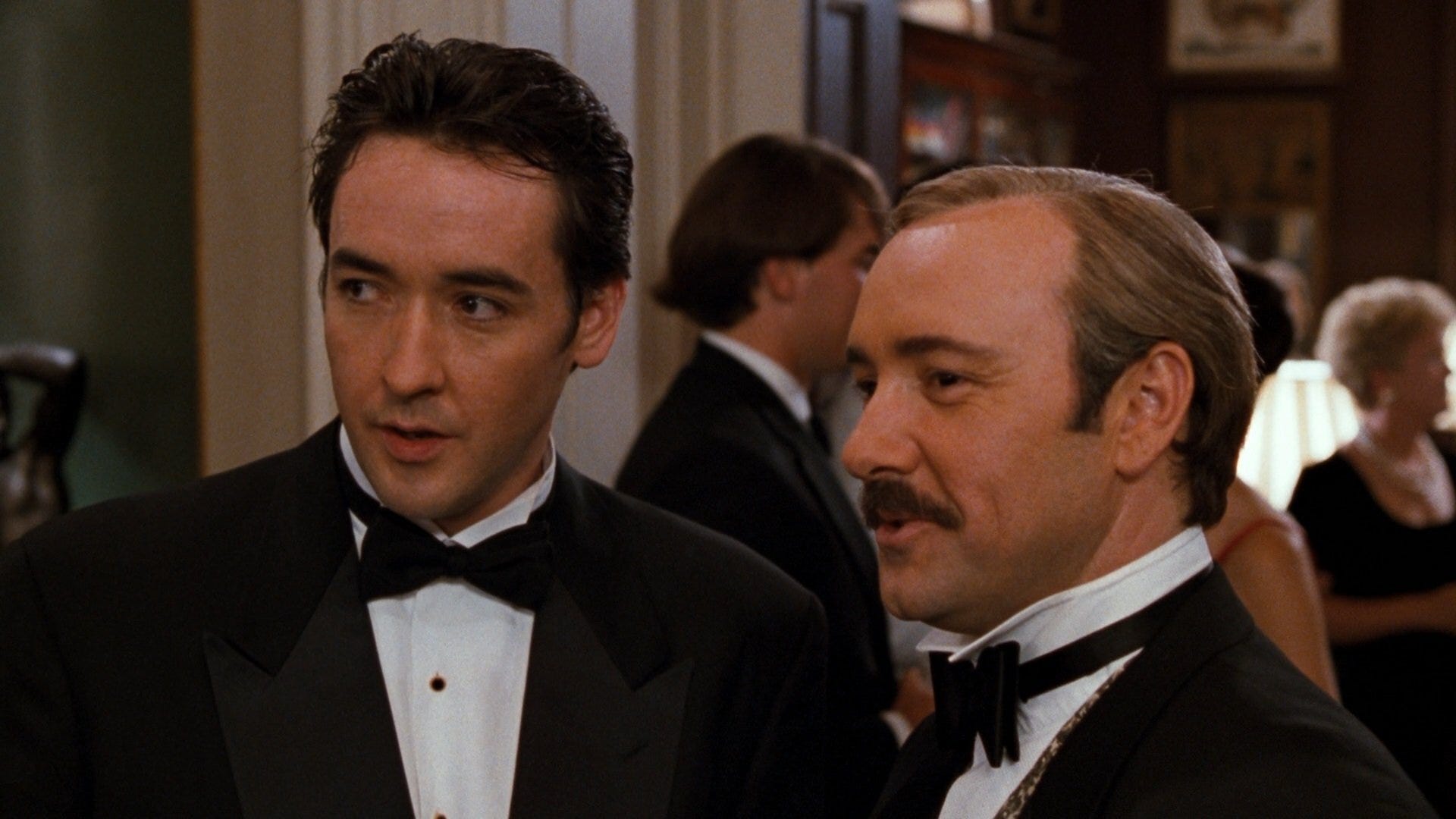
While I’m quickly discovering a majority of the films Eastwood directed also starred him in a lead role, every now and again, we end up with a film devoid of Eastwood entirely, and this is one of those films, adapted from a 1994 non-fiction novel of the same name by John Berendt. That surprised me the most here. Non-fiction. Though, from what I understand, Eastwood’s film took many massive liberties in the adaptation process.
Now, MIDNIGHT IN THE GARDEN OF GOOD AND EVIL is primarily a legal drama above all else, but instead of the focus being squarely on the prosecution or defense, the main character, played by John Cusack, is a writer. He goes to Savannah, initially to write a fluff piece on Kevin Spacey’s extravagant Christmas parties, but gets looped in on writing a book on the case itself. Basically, Cusack is a stand-in replacement for the actual author of the book during the real trial. The biggest problem with so much focus on this character is that a writer that is doing some investigation and reporting on a trial doesn’t really influence the direction of the story at all. The trial would go on exactly as is without his input. That’s why a non-fiction book makes sense versus something like this, which is fictionalized, creating archetype characters that don’t serve much function or narrative purpose.
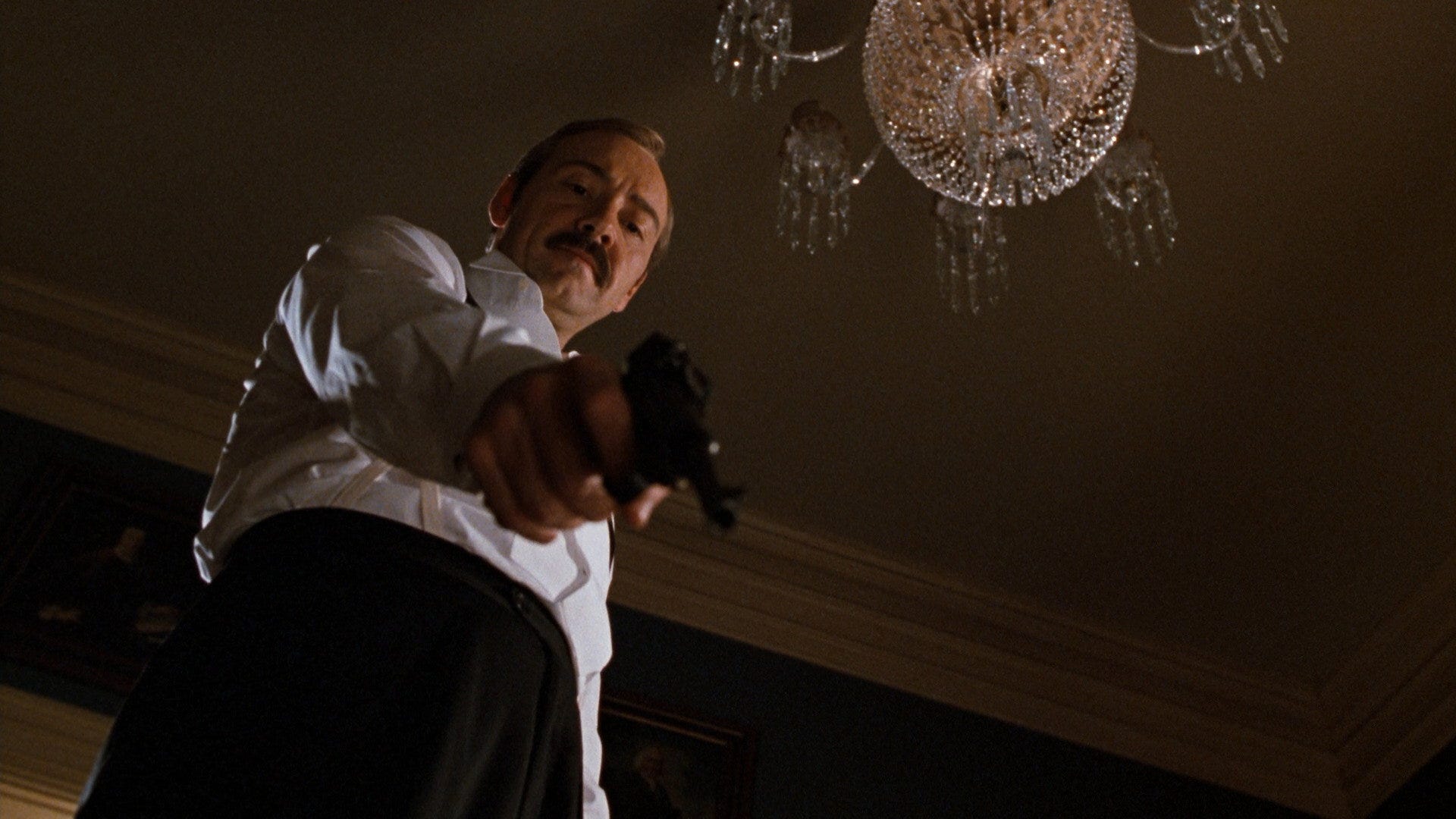
The film, of course, is not without its merit. Eastwood is usually really good at shooting a film on location. It’s sometimes the best thing about his approach. The same absolutely can be said here, where Eastwood insisted on setting up in Savannah, Georgia, where all of the events really took place. There’s definitely an air of authenticity here that I appreciated. That authenticity is expanded when you learn some of the people involved in the book and in the real case also play vital roles in the film. Such as Lady Chablis, who plays herself, as well as the judge in the film being played by the actual defense lawyer during the real trial in real life. That’s really cool. The location, the flavor, and energy of Savannah also give the film a cool edge.
I would even say the murder trial on its own has some really interesting, strong arguments given from both the prosecution and defense. It’s not the most original murder trial put on film, nor the most engaging, but it was written really well and the colorful Savannah characters help it stand out pretty well. Also, the way everything ties up by the end was a bit psychological and thought-provoking, and I was all for it.
However. There is no reason. None. That the film had to be over two and a half hours. That makes no sense. The only thing I can think of is that it is an adaptation of a book that covers a very long trial with a lot of details... but even so, Eastwood took heavy liberties when adapting it to fit more with a traditional Hollywood narrative, so again... the duration turns everything that would be great into something that sometimes feels tedious and unnecessary.
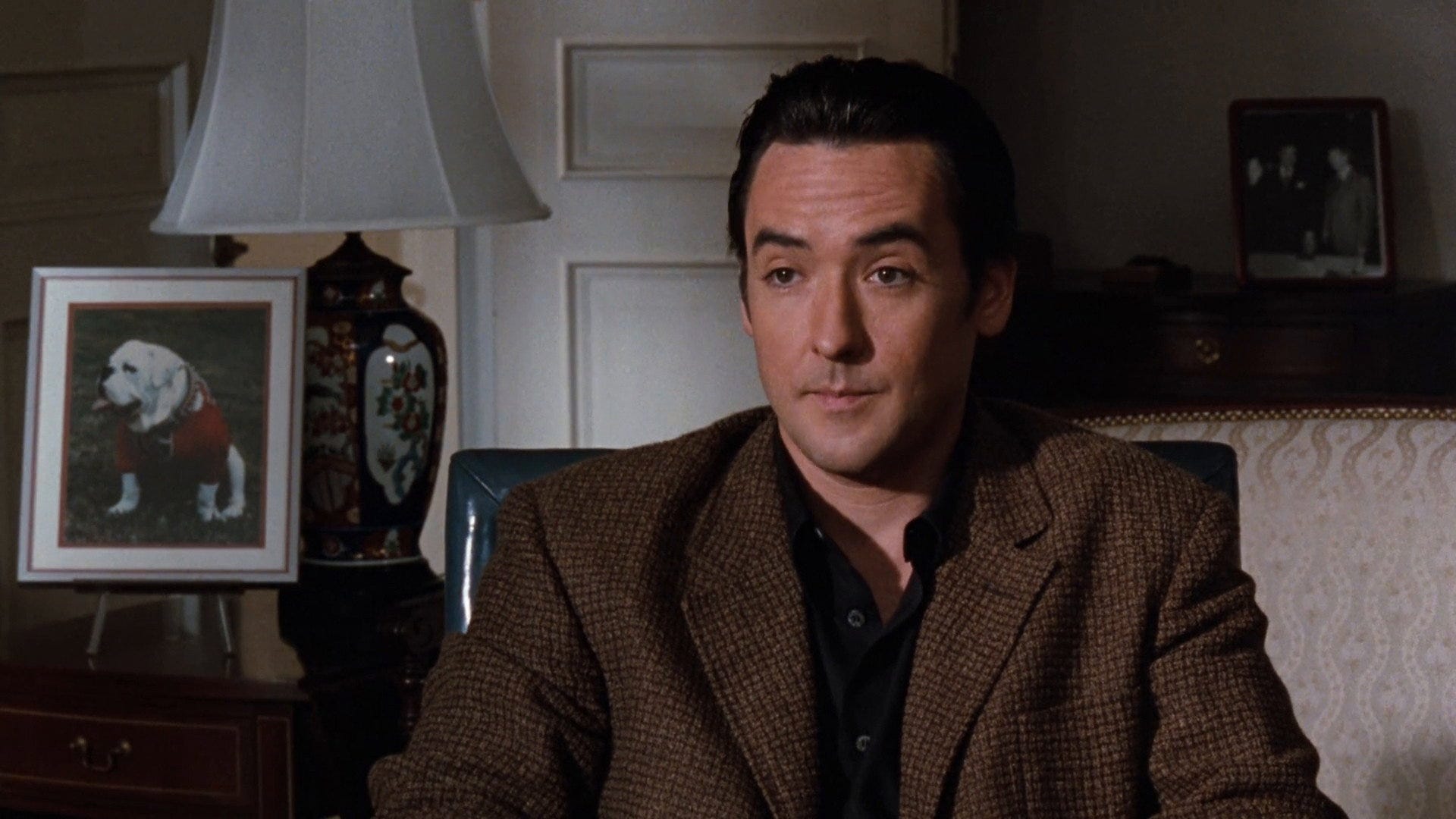
Casting-wise, it was nice to see some of these names again. Both of our leads in this film are names that were much bigger and popular when this film came out than they are now. Both Kevin Spacey and John Cusack have disappeared for the most part for the last several years for different reasons, but it was indeed nice to see them here. John Cusack and a legal drama to me usually points much closer to Runaway Jury, and Kevin Spacey and a legal drama regarding improper actions and his homosexuality to me usually points me much closer to... well... his actual life.
At the end of the day, I don’t mind the movie, I just think it’s too long. The performances are decent, the trial is interesting enough, and the film locations and authenticity littered throughout the movie are impeccable.
Unbiased/Technical Score: 35/50 or 70%
Biased/Entertainment Score: 32/50 or 64%
Total Combined Score: 67/100 or 67% (3.5/5 on Letterboxd)
Discussion about this post