Lost in the Yellow Maze: Why ‘BACKROOMS’ Is a Masterclass in Atmospheric Horror


“Yellow everything, it’s a maze, it’s quiet other than the low hum of the fluorescent lights above, and it is endless.”
Like everyone else in the world, I have been seeing the marketing for this film all over the place, but unlike the rest of the world, I wasn’t super familiar with the original series on which it’s based. Had you asked me to guess what it was based on before today, I would have said... I don’t know... a video game? But no, this was indeed based off of a short YouTube series not only with the same title, but the same man behind the scenes: Kane Parsons. A lot of people have been praising his work for the film, especially given his age. When he first started working on his YouTube series, he was only 16 years old, and during production of the film, he was 19 or 20, and I gotta say... that doesn’t compute. You can’t watch this movie and think... yeah, a teenager made this film. He operates with the expertise of someone that has been doing it for far longer.
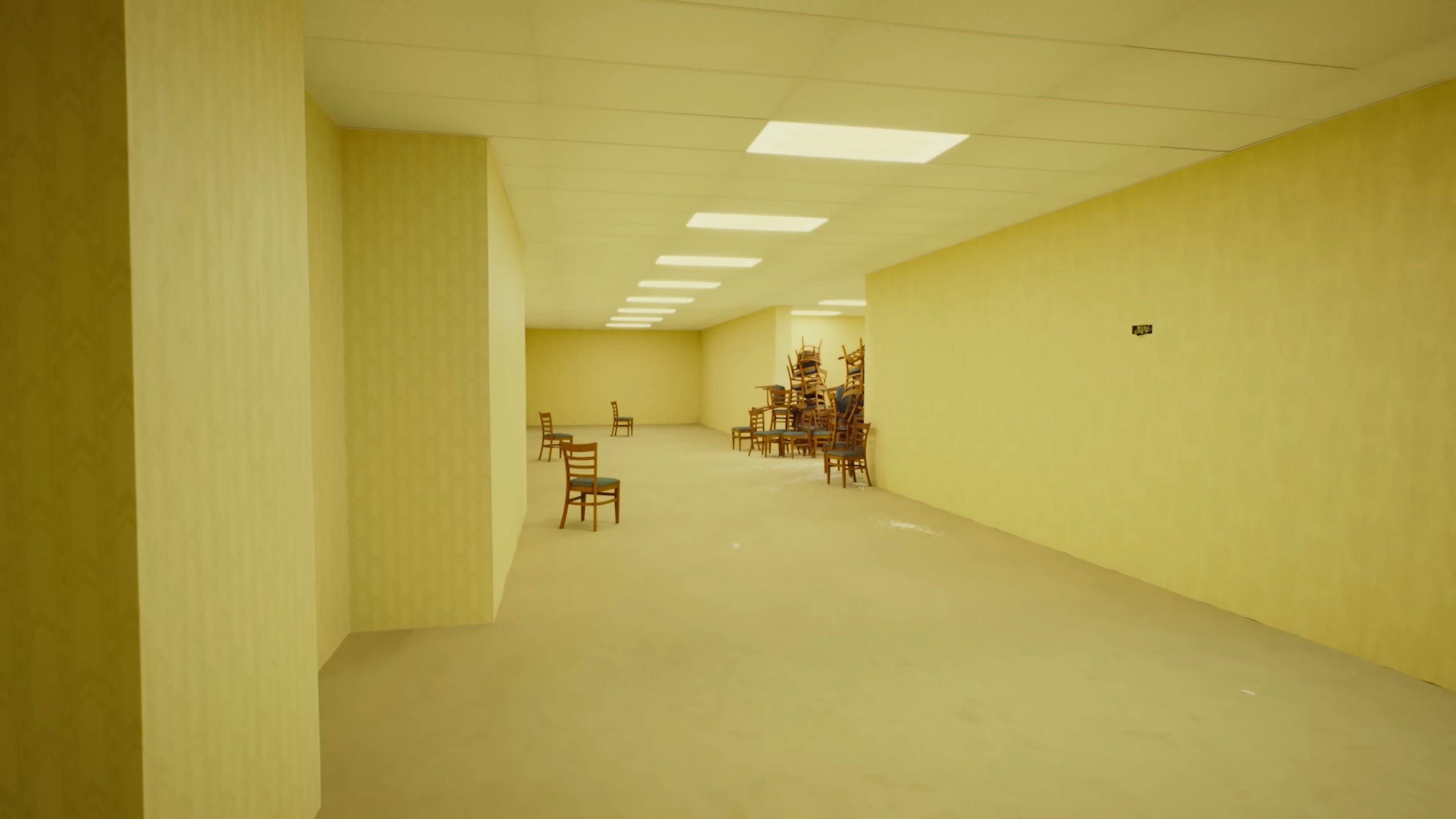
This movie is impeccable as a horror film, but more importantly, it’s one of the better liminal space films I’ve ever seen. Not that I’ve seen many, but this film makes me want to dive into them more. I wrote a screenplay recently where I included a liminal space as well, only in my script, it was something I called “The Void,” and it was just endless blackness... which is a lot simpler and less spooky than what you have in The Backrooms, which is essentially like stepping into The Twilight Zone. This guy walks through a wall, literally through a wall, and ends up in this, well, backrooms area. Yellow everything, it’s a maze, it’s quiet other than the low hum of the fluorescent lights above, and it is endless. Each room contains something else: big doors, small doors, hatches in the ground that lead to obscurity, and entities that hide in the shadows waiting to come out and stalk you wherever you go. It’s wild. It’s a thing of literal nightmares, and the tension that builds throughout the film is spectacular.
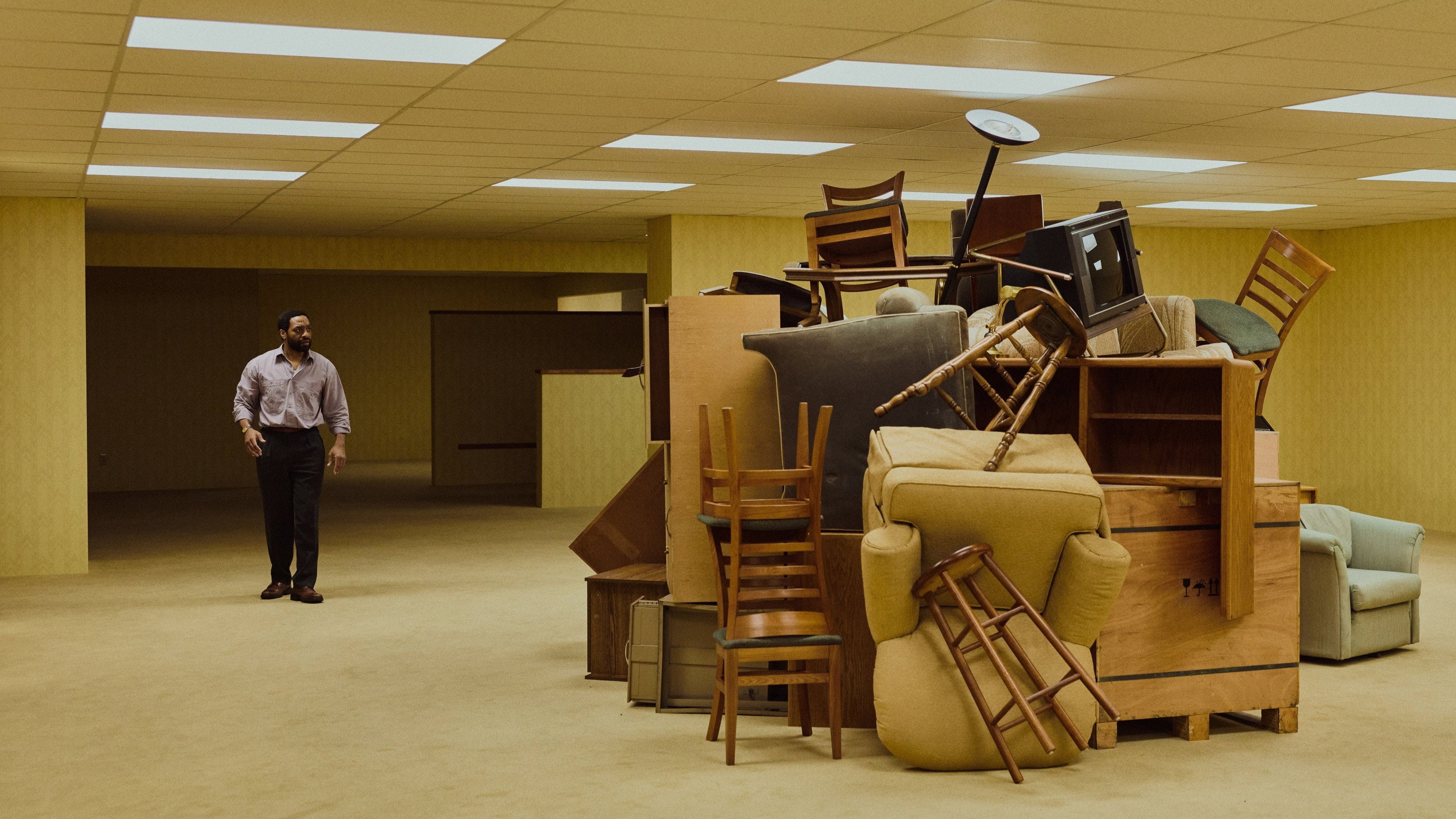
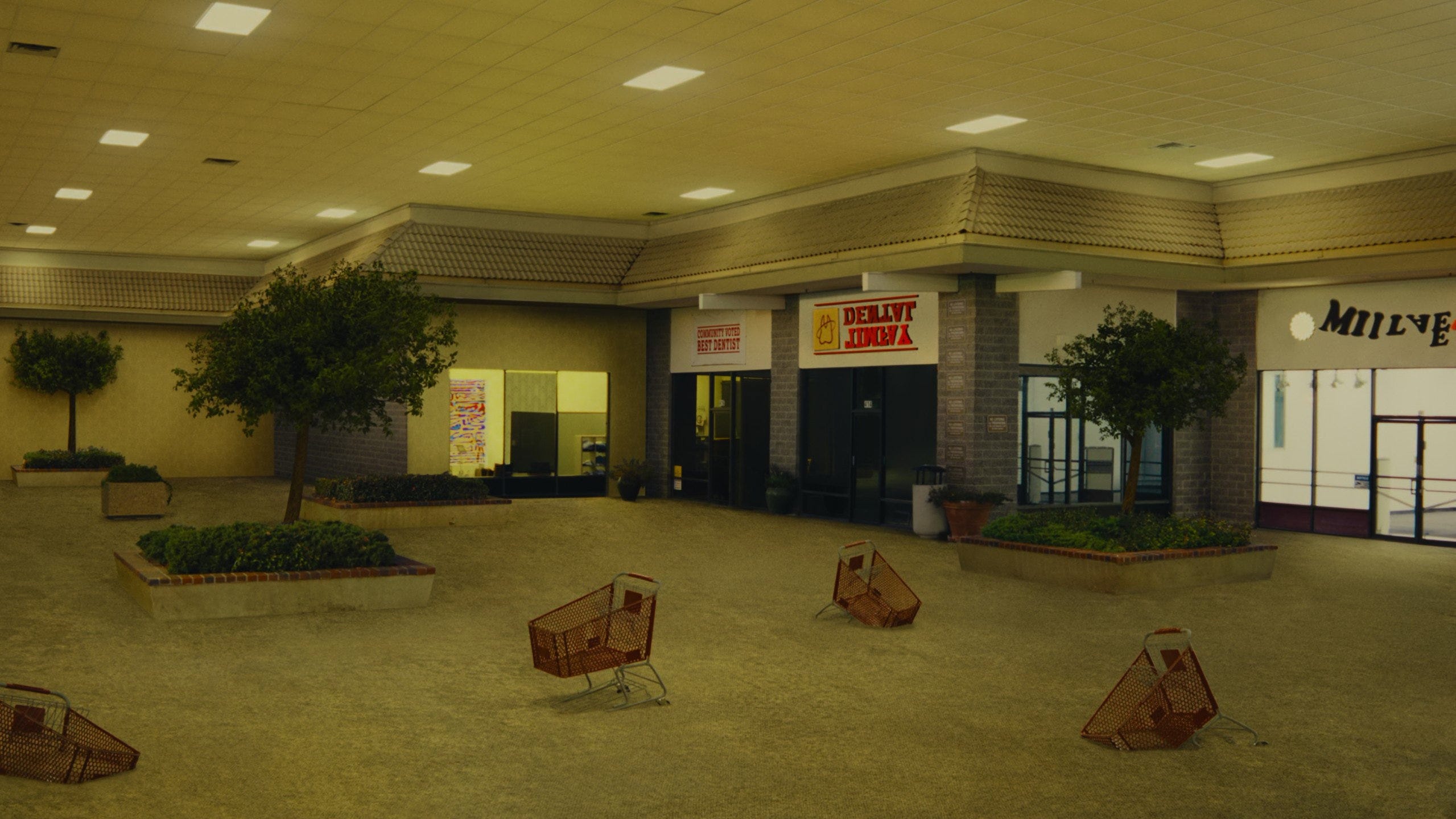
Chiwetel does such a good job as a surrogate for the audience, essentially as he explores the utter weirdness of the backrooms. As he does so, you have the camerawork and direction from Kane Parsons, which is at least half of what makes this movie so good. The way the film looks, alone, is spectacular. It cuts back and forth from VHS-quality found footage styles to bigger cinematic moments, and both are dealt with amazingly, in different ways. Kane understands how found footage works and why it is as creepy as it is, as well as he understands how regular, cinematic films can use cinematography and practical set designs and framework to expand on that creepiness factor further. It really is incredibly impressive. If I could expand on the set design stuff, part of what makes the backrooms as creepy as it is... is what random items are found within it, sticking halfway through the ceilings, walls, and floor. It really showcases that this is a true liminal space and it is weird and there’s not really many rules in play.
The sound design is also really creepy. I would say creepy enough, actually, to stand out if you were to watch the movie with a blindfold. The electric hum of the electricity, the distant stomping sounds and screams... a lot of thought was put into making this liminal space as authentically spooky as humanly possible.
However, I question if this needed to be a feature film or not. I really do. It seems to work best in the medium of short film. Why do I say that? I say that because short films seem to thrive in concept, and premise, ideas and emotion rather than with narrative plot structures. Backrooms included a narrative structure because it needed to in order to be feature length. It added characters who go into the backrooms. You have this storyline about Chiwetel and a therapist and... a relationship that went down the drains for him prior to the events of the film. This is all included, I believe, to help extend the psychological elements of the film, but I personally think it detracts from what makes this movie and this concept amazing, which is obscure randomness. When the film first begins, the found footage element was very spooky. When it changed to cinematic and Chiwetel was investigating the rooms, again, for a different reason, it was still spooky because it was still just so random and hard to look away from. But I’ll be the first to admit I don’t care about him as a person. To me, he’s just a surrogate for the audience. I don’t need his backstory. The more we dove into that, the more I just wanted to get back to the backrooms.
Regardless, I was still pulled into the film. I was still engaged. I still had a hard time pausing, looking away or whatever, because the experience was still one of my favorites of the year for the film.
Technical/Unbiased Score: 38/50 (76%)
Biased/Entertainment Score: 45/50 (90%)
Total Combined Score: 83/100 (83%) or 4/5 on Letterboxd
Discussion about this post