


“Right in the sweet spot of a balance between something grounded and serious versus something silly and over the top.”
Lethal Weapon 2 was an action-comedy film released in 1989, directed by Richard Donner, written by Jeffrey Boam, and starring Mel Gibson as Martin Riggs, Danny Glover as Roger Murtaugh, and Joe Pesci as Leo Getz. Basically, our two favorite mismatched LAPD partners are back, but this time they’re stuck babysitting an obnoxious, fast-talking federal witness who laundered a mountain of dirty cash. The twist is that the bad guys trying to silence him are smug South African diplomats who think they’re completely untouchable because of “diplomatic immunity,” forcing Riggs and Murtaugh to trash half of Los Angeles to take them down.
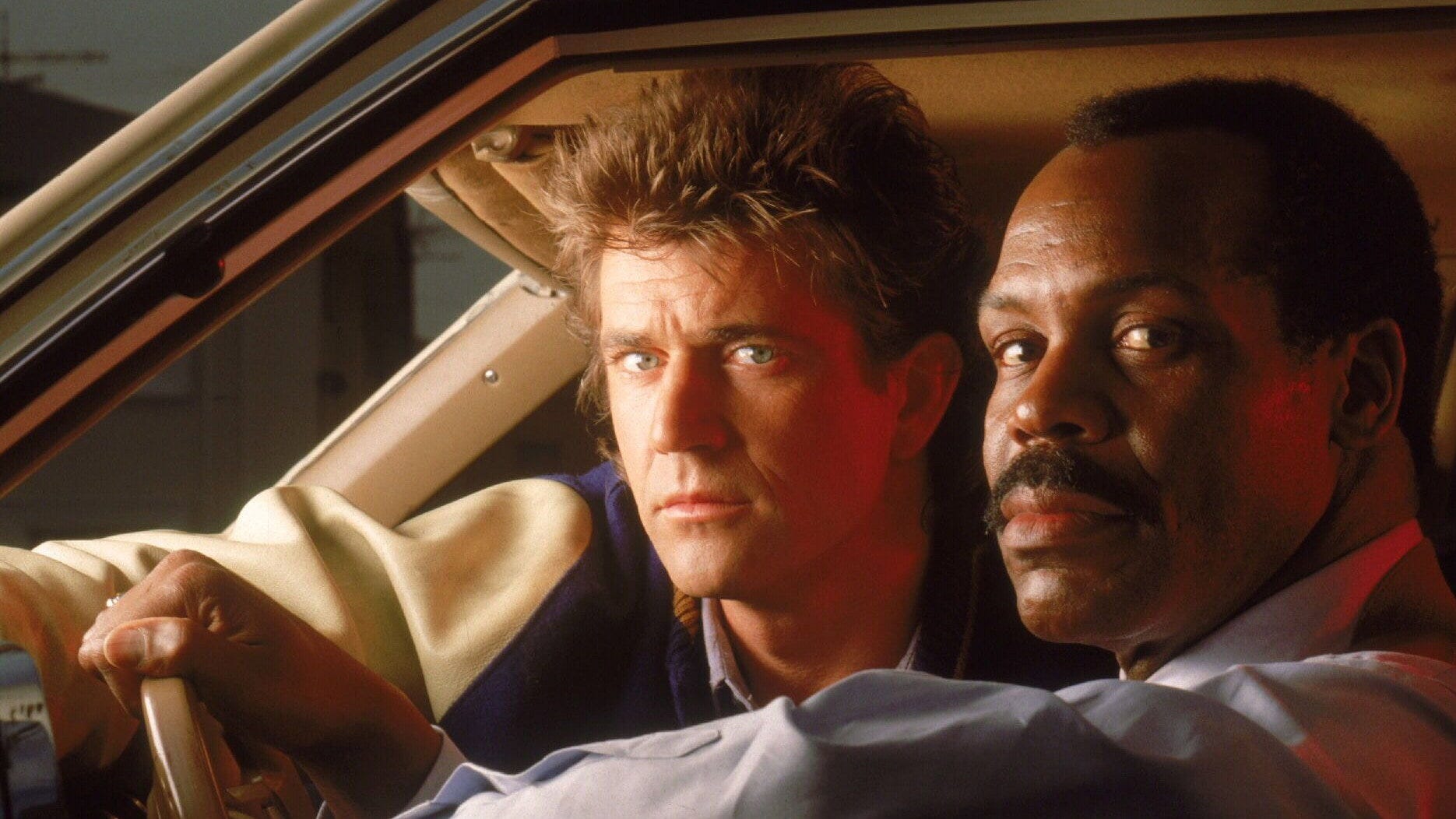
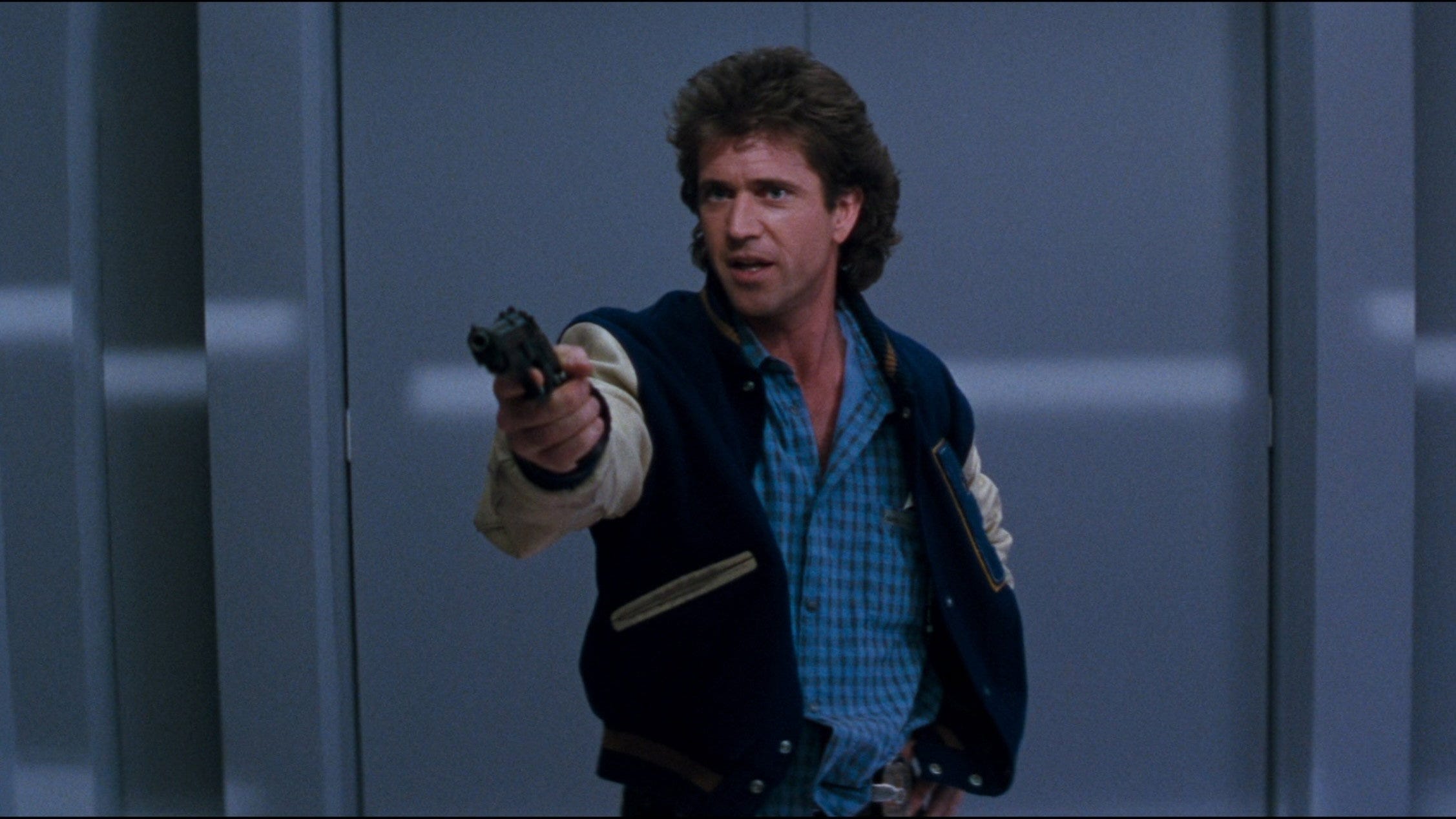
Moving right along on my journey through these Lethal Weapon movies, this second film was one that I simultaneously didn’t remember much of, yet praise for being more in line with what I personally consider the franchise to be all about... right in the sweet spot of a balance between something grounded and serious versus something silly and over the top. For instance, Mel Gibson’s Riggs in the first film was nuts, but his craziness was linked a lot more to depression and suicidal tendencies. He had no fear because he just didn’t care. Well, they fixed that more or less by the end of that movie, so what you have here is... well, you still have to have a crazy Riggs or else it’s not Lethal Weapon, but you have to explain it in a way that makes sense. For Lethal Weapon 2, his persona is a lot more comparable to Tony Stark in Iron Man, where both are nuts, a little bit wild, and intermittently crack jokes. Also, they added a characteristic for Riggs in this film that ends up being a staple for his character: when you think about his shoulder dislocating, you almost always think of Mel Gibson first. That’s such a gimmick, and they play into it in every movie after the first.
Narratively, I also slightly prefer this film’s story over the original. The first movie was kind of all over the place... it was basically “drug dealers are bad, people are corrupt, but look at the hijinks of Murtaugh and Riggs, they’re great together.” If you really sat down and thought about the story of the first movie, you’d realize it really is kind of scattered, while the story of this film is a lot more linear and makes more sense. However, it does dip its toes into logical fallacies, sacrificing realism for the coolness factor.
What do I mean by this? Diplomatic immunity, brothers and sisters. This idea that these foreign nationals can do literally whatever they want, including kidnap, murder, and whatever else, and the US can’t touch them legally. I love this concept, and even in 2026, there aren’t a lot of movies or TV series that really touch it. But it really is a silly concept when you think about all of the logistics involved. For instance, you don’t get diplomatic immunity unless you’re in Washington, D.C. There are consulates in other cities, such as LA, but at that point, you’re only going to get something called consular immunity, which only covers actions performed as part of official job duties. I promise you, kidnap, murder, and smuggling drug money are not officially in their job description. Secondly, even if the movie took place in Washington, D.C., the host country would declare the criminal persona non grata... otherwise known as unwelcome... and expel them. But I have to admit, the idea is pretty awesome.
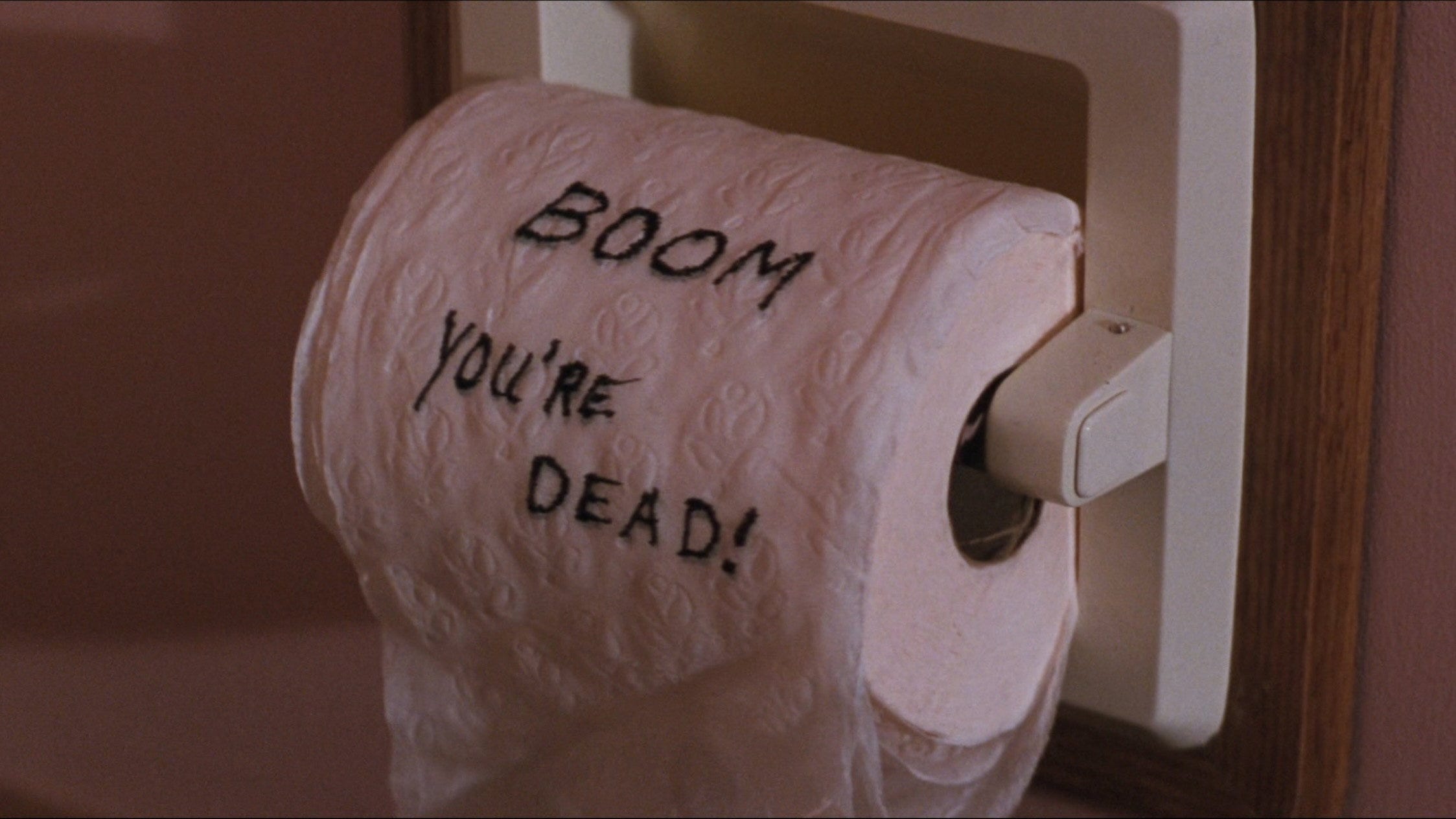
There are also some really fun moments in the film outside of that core plot. Joe Pesci is always fun in pretty much everything he’s in, and he has great chemistry with the two leads. The toilet bomb scene is iconic. So iconic, in fact, that MythBusters tested what they did in that scene and decided everything shown in the movie was... plausible. Which was crazy, because the entire setup almost plays out like Indiana Jones nuking a fridge.
I would have to argue that the film definitely focuses much more on Mel Gibson’s Riggs than Danny Glover’s Murtaugh. The scenes with both of them are great, and I actually love one of Glover’s only scenes without Mel Gibson where he’s playing a Black man trying to move to South Africa and they tell him he can’t do that. He asks why, and they’re like, “Well... because you’re Black.” That was great. But yeah, Riggs gets much more focus than Murtaugh. Even with the love interest storyline... I didn’t care that much about it. The idea is that we have to get Riggs past the storyline about his wife dying in a car wreck, since that was the reason he was depressed in the first movie. Well, we dealt with the depression, but we didn’t deal with his inability to move on yet, so that’s what this part of the movie was all about. Fine... whatever... but it’s the main thing that I think drags the film down a fair amount.
Technical/Unbiased Score: 39/50 (78%)
Biased/Entertainment Score: 41/50 (82%)
Total Combined Score: 80/100 (80% or 4/5 on Letterboxd)