


“2010 attempts to answer as many questions as possible, but in doing so, fails to understand what made its predecessor so impactful in the first place.”
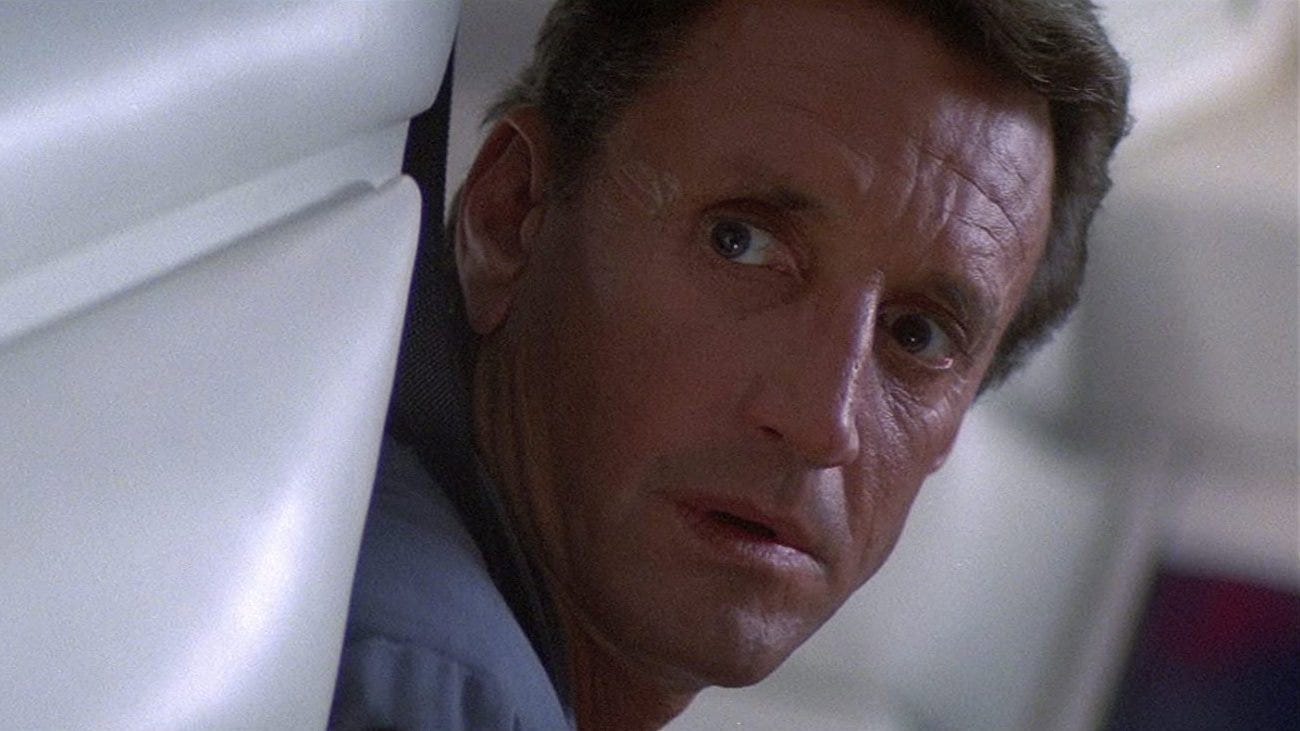
2010: The Year We Make Contact was a science fiction film released in 1984, written and directed by Peter Hyams. It stars Roy Scheider as Dr. Heywood Floyd, Helen Mirren as Captain Tanya Kirbuk, John Lithgow as Dr. Walter Curnow, and Bob Balaban as Dr. R. Chandra. It is basically about a joint team of American and Soviet astronauts who have to put their Cold War drama on hold and team up to fly out to Jupiter. They are trying to figure out what went wrong on the abandoned Discovery One ship nine years after HAL 9000 lost his mind and killed the original crew.
How are you supposed to follow up a masterpiece? I guess that’s the first question on everyone’s mind when they go in to watch 2010: The Year We Make Contact. Initially, I’d imagine the same thought was swimming through the filmmakers’ minds as well. This movie didn’t come out for nearly twenty years after its predecessor, but in actuality, the book on which it is based, 2010: Odyssey Two, was released in 1982. So, the filmmakers actually jumped on the source material as soon as it became available. After the second book was released, Arthur C. Clarke went on to write two more novels in the franchise that were never adapted to film... probably because of how poorly this film performed at the box office. Previously, I watched and reviewed 2010: The Year We Make Contact on my YouTube channel around three or four years ago. My overall thought back then was that it was a good movie, but nowhere near the same ballpark as the original. I was only giving letter grade scores when I reviewed it then, and my end score was a B-. Upon a rewatch, I can tell you that I was way too generous.
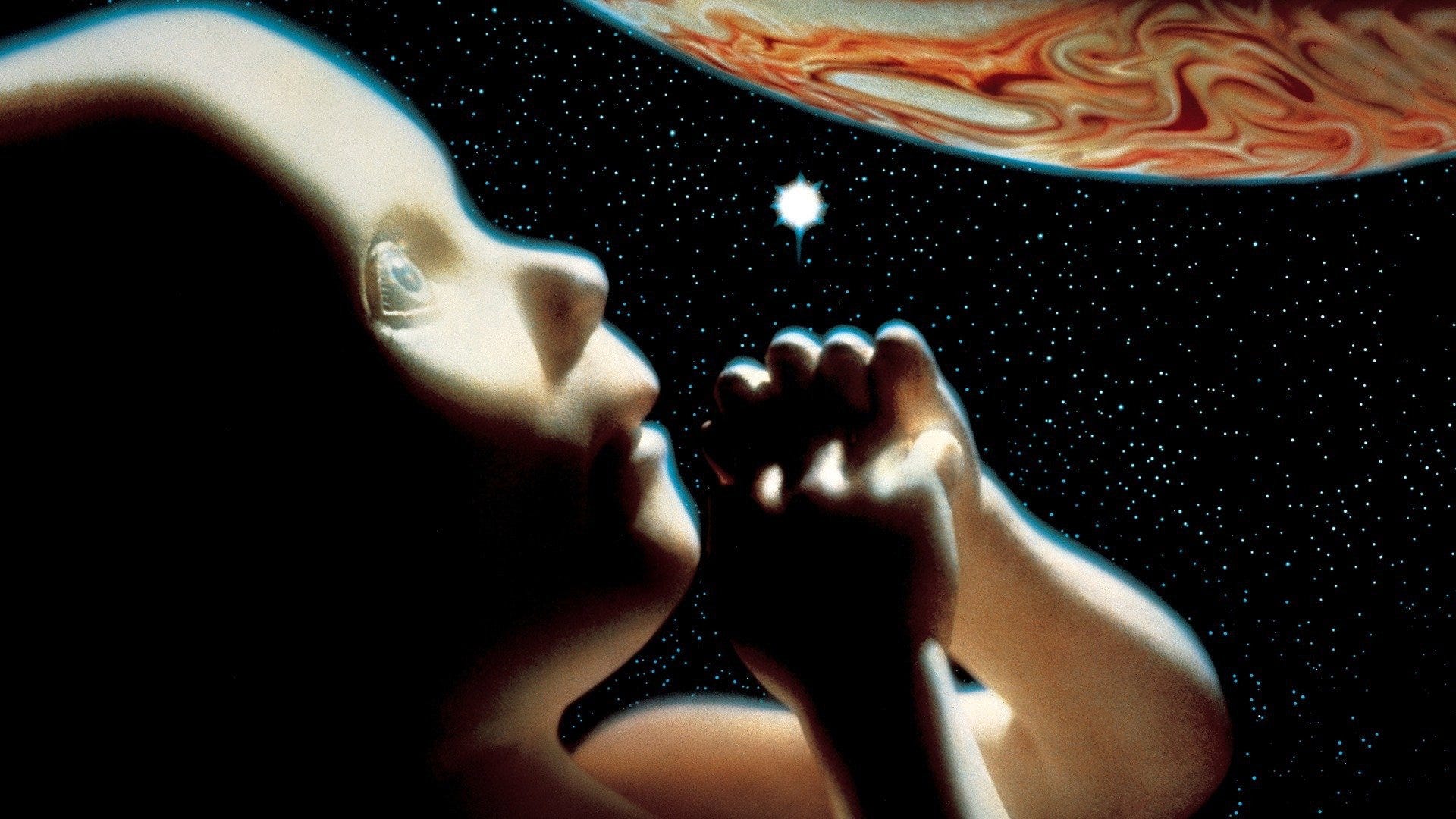
On the surface, though, I can fully understand what my line of thinking was. The film contains a narrative structure with a purpose that is actually solid, easy to understand, and easy to digest, which is very different from 2001: A Space Odyssey. We have the scientist from the first film during the moon segment who heads up to space with a Russian crew to find out all the answers left behind from the first movie. These questions include... what happened to the ship on its mission to Jupiter? What happened to Dave Bowman, who disappeared? What happened to HAL 9000, which malfunctioned and caused the deaths of the crew members? What was the monolith doing on the moon and later hovering over Jupiter? To its credit, 2010 attempts to answer as many questions as possible, but in doing so, fails to understand what made its predecessor so impactful in the first place. 2001 was so weird and obscure that people kept going back to it to try to find answers, and the more they did that, the more they discovered without the need for this film at all. Beyond those original questions, 2010 also introduces more questions that it thinks are as thought-provoking as the first film... but really aren’t.
I’d argue the narrative quest these characters find themselves on isn’t terrible, and the team is comprised of interesting individuals. One of them is the man who created HAL 9000, who goes on the mission with them to find out what went wrong with HAL. Was it an AI going rogue after all, or was it human interference that caused HAL to do what he did? They answer this question, and while it makes sense, I don’t love their explanation. I prefer what 2001 gave us with HAL. That movie gave us tension and mystery, while this film gives us a stale excuse that waters down the purpose and effectiveness of the first film at every possible angle.
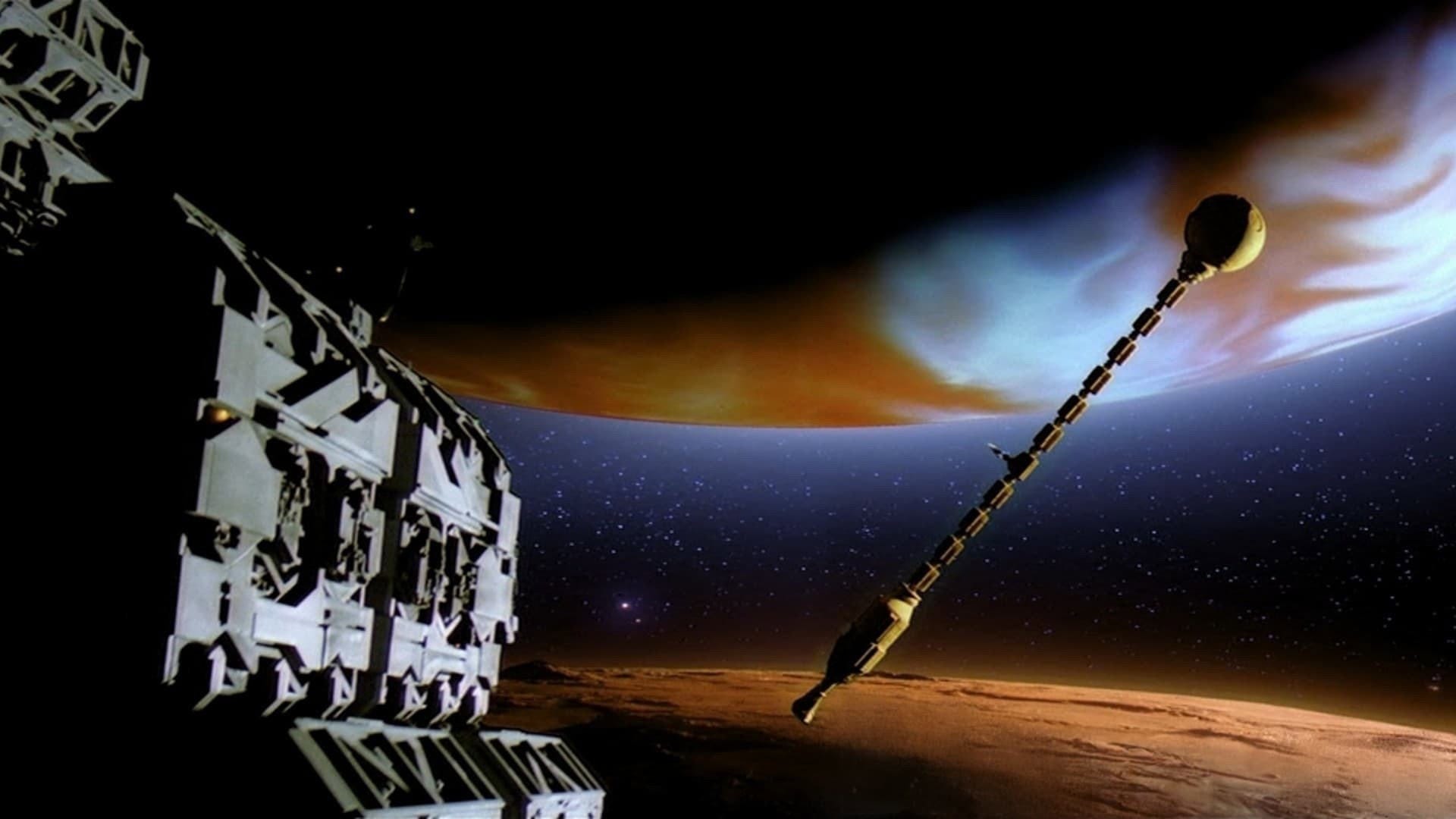
Even with the visuals... this film was indeed released almost twenty years after the previous installment, and somehow it looks like it was released twenty years before the first movie. The graphics in this movie are god awful. Look, when they are walking around the Discovery spaceship, I liked that because they were piggybacking off of what the first movie did. That spaceship is iconic. Everything out in space, though? Forget about it. Space in this film looks like puke. The planets look superimposed in MS Paint. The astronauts look very green-screened in. The tethering line attached to the astronauts looks like a cartoon line drawing that’s animated like a flip book. It’s crazy that the original film was released in 1968, a year before we actually went to space and landed on the moon... and this was released in 1984. Absolutely insane.
I guess the main positive of the film would have to be that it’s pretty loyal to the source material, or so I hear. It’s more loyal to its source material than the first film was to its own... but the first film is still very complementary to its novel, so who knows. Overall, I don’t exactly hate this movie. If you don’t compare it to the first movie, then I would argue it’s not really all that bad of a film. But in the same breath, you need to watch the first movie to even understand anything about this film, since it answers all those questions left for interpretation. It’s impossible not to compare the two. Even when you compare one little thing with this film to the first one, it’s just night and day how much of a copycat this film feels like, and how much of a penny-saver version it feels like. It’s almost like when you go back and watch Donnie Darko, and then you watch the sequel they made years later called S. Darko. It’s night and day. It’s set in the same world or the same universe with some of the same characters, but it’s clearly just trying to piggyback off of something that is a masterpiece, and clearly does not have the same spirit or identity as the original source.
With all that being said, let’s take a look at my end score.
Unbiased/Technical Score: 33/50 (66%)
Biased/Entertainment Score: 13/50 (26%)
Total Combined Score: 46/100 (46% or 2.5/5 on Letterboxd)