


“Westerns are mostly episodic in plot. While this film has an overarching story goal to get to Nashville, there’s a lot of mini goals along the way... What I ended up feeling with this film is that it’s mundane. It’s slow. It’s boring, and most importantly... it feels aimless and purposeless.”
Honkytonk Man was a western comedy-drama road movie film that was released in 1982, written, directed by, and also starring Clint Eastwood as Red Stovall as well as Kyle Eastwood as Whit... and it’s basically about this absolute trainwreck of a country singer who has tuberculosis but gets one last shot to make it big at the Grand Ole Opry. So, he hitches a ride across the country during the Depression with his young nephew taggin’ along, and they just get into all kinds of wild road trip shenanigans, stealing chickens, hitting up honky-tonks, and trying to get this dude to Nashville before his lungs totally give out on him.
Moving right along with my journey through Clint Eastwood’s directed films. I really don’t know what to make of Honkytonk Man. On one hand, it seems to be made just in order to give Eastwood an excuse to star alongside his son for a fun little roadtrip movie. On the other hand, this was the first time Eastwood directed a movie where he starred as, as he put it, a loser that has no interest in winning... which is something he’d go onto do a lot moreso in his later years, but this was his first foray into doing it, but obviously it wasn’t taken amazingly well at the box office, as this film was a flop. In general, most movie rating websites have it rated somewhere along the lines of 6 out of 10, which isn’t great... but also isn’t terrible and mostly smack dab in the middle. There’s a reason the internet provides for people’s disdain of the film: expectations. People expected a Clint Eastwood movie to feature his typical tough guy exterior who has a penchant to kick tail and take names... but not so much here. His son is probably more of a main character than Eastwood at the end of the day.
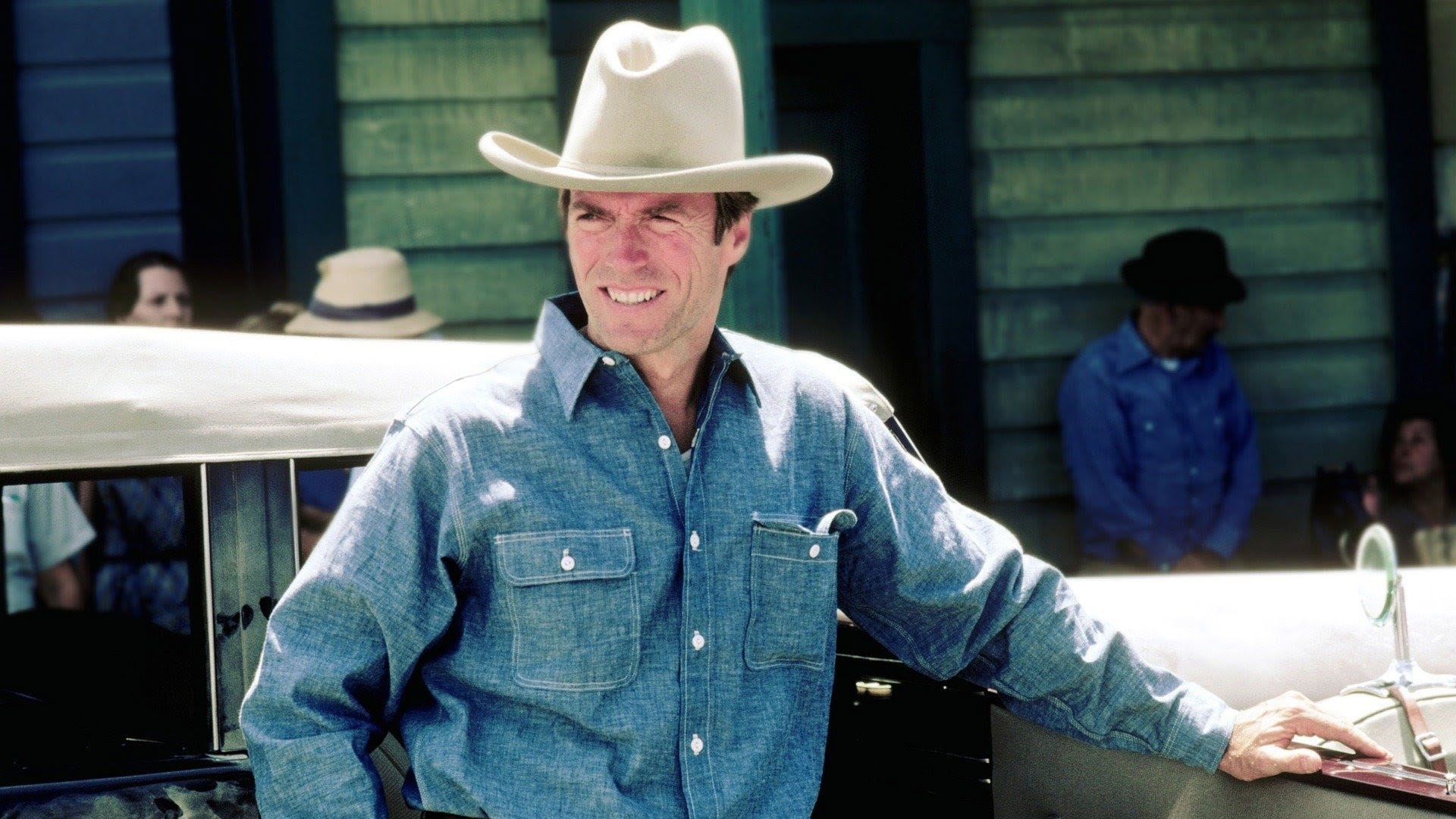
Pacing-wise, the film is at least partially considered a western, and I wouldn’t say cowboys and indians western, but I would say structurally, it’s definitely western. What I mean by that is I’m beginning to realize how these movies play out and ultimately why I’ve avoided them for years. Westerns are mostly episodic in plot. While this film has an overarching story goal to get to Nashville, there’s a lot of mini goals along the way. Lots of places they stop, and like I said before, shenanigans occur with a very broad reason behind it. For instance, a lot of their stops have something to do with trying to make money, so they act like criminals here and there to get just enough money to get to the next stop, and these play out like episodes... the problem is there’s no real rhyme or reason. They could do ANYTHING to get to the next stop. They could do ANYTHING to get that money and nobody would really bat an eye. Whereas, other roadtrip or adventure films would lay it all out before they hit the road... we need to stop here for A, so we can get to this place for B in order for us to finally get to C... so on and so forth. This provides a film with purpose, but that’s not what this film does. Again, random shenanigans. Some are silly, some are more heartfelt, but most feel random. So, what I ended up feeling with this film is that it’s mundane. It’s slow. It’s boring, and most importantly... it feels aimless and purposeless. I can deal with a slow film as long as we understand the reasons behind what they’re doing, and are on the journey with them. I understand what he’s doing... he’s got TB and he wants to sing at the Grand Ole Opry. Great in theory, and if they really honed in on that TB stuff, lessen the comedic charm of the film and made it a drama, and provided significant, deep purpose to every stop they made... I think the film could have been phenomenal. Instead, the film is a tad too long, which only worsens the experience overall.
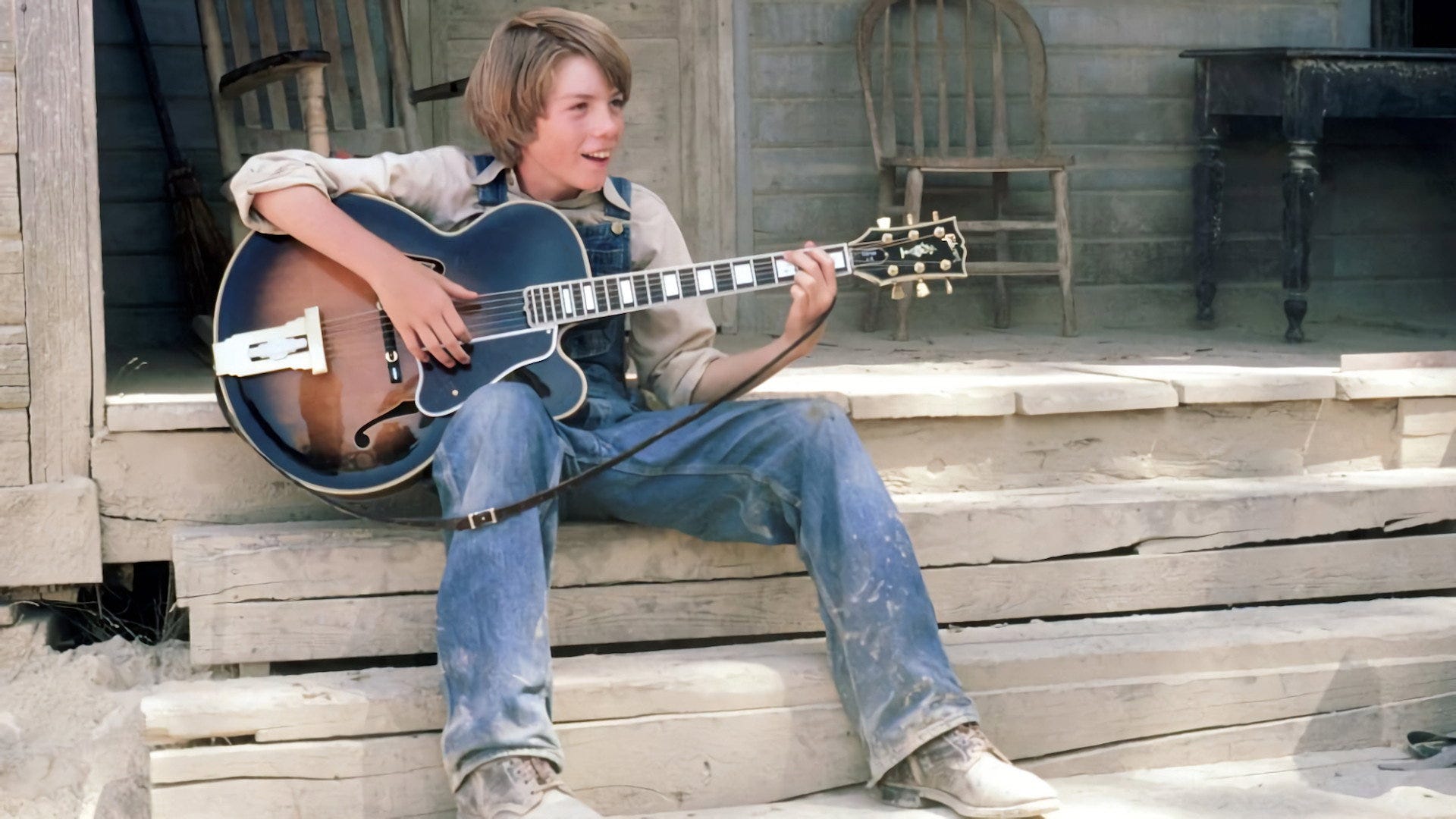
Now, it’s not all bad by any means. There is solid chemistry between Eastwood and his boy, obviously, and Eastwood did all of his actual singing in the film as well, which is a level of dedication that’s not as dangerous as what he did in The Eiger Sanction, but still respectable. The dialogue and script of the film is all pretty solid overall and everyone mostly gave it their all.
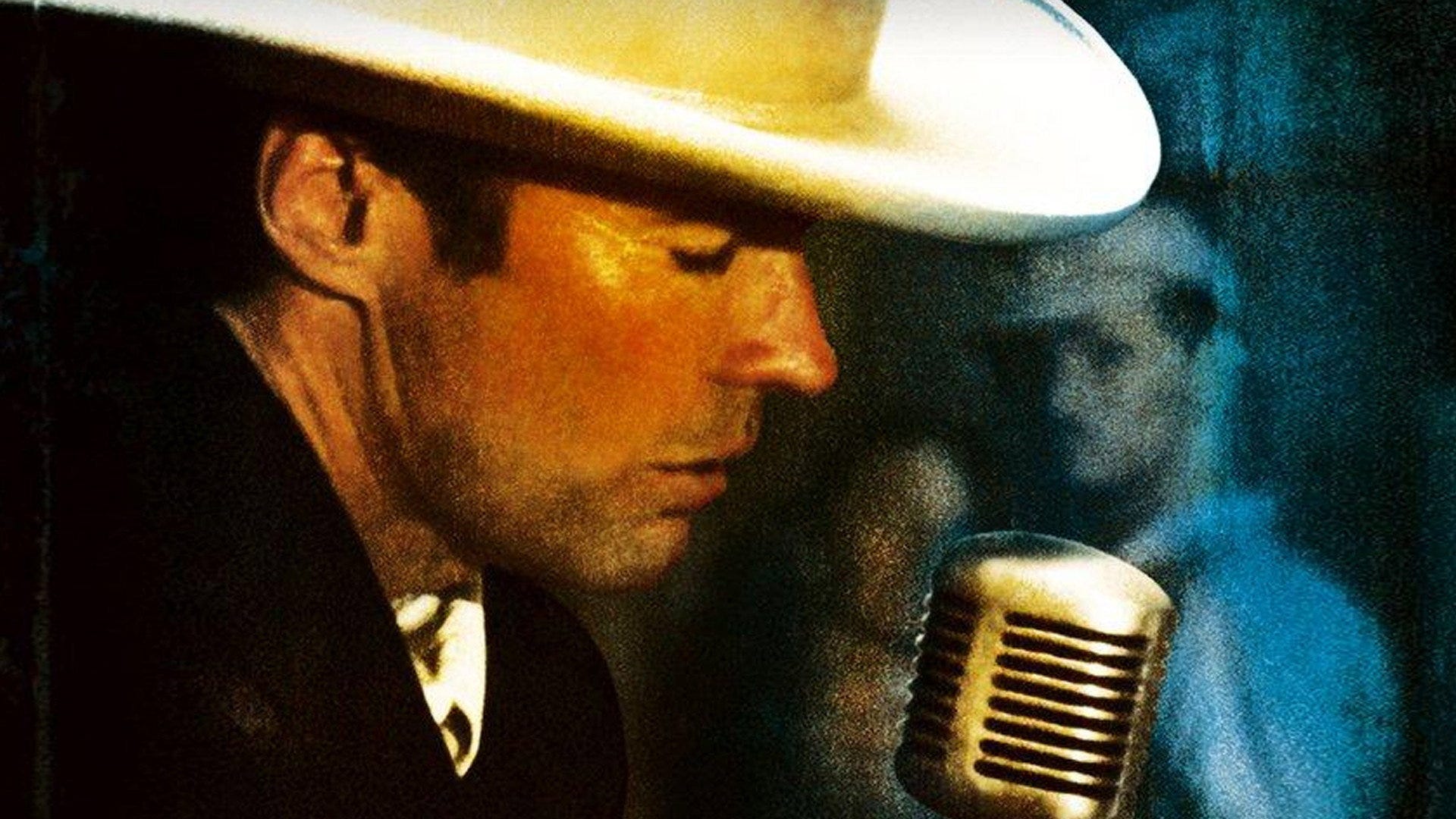
Unbiased/Technical Score: 34/50 or 68%
Biased/Entertainment Score: 24/50 or 48%
Total Combined Score: 58/100 or 58% or 3/5 on Letterboxd