


“Kubrick didn’t just ask if a machine could have intelligence; he asked if it could have a soul.”
A.I. Artificial Intelligence (2001) is a haunting sci-fi fable, directed by Steven Spielberg and originally conceived by Stanley Kubrick, that reimagines the Pinocchio story for the digital age. Set in a dystopian future, the film follows David (Haley Joel Osment), a highly advanced robotic boy uniquely programmed with the capacity to experience genuine, unconditional human love. After being adopted and subsequently abandoned by a grieving mother who cannot cope with an artificial child, David embarks on an epic, centuries-spanning journey alongside a fugitive pleasure android named Gigolo Joe (Jude Law). Driven by a desperate longing to find the mythical Blue Fairy, David searches for a way to become a “real boy” in a world deeply hostile to his kind, ultimately exploring the devastating emotional toll and moral responsibilities of creating machines that can feel.
We are officially down to the final two Spielberg film reviews before my Disclosure Day review! Up next is A.I. Artificial Intelligence, a project originally planned to be directed by Stanley Kubrick. Kubrick was famous for directing films that predicted the future... 2001: A Space Odyssey looked so real in 1968 that it fueled moon-landing conspiracy theories, saying basically... KUBRICK FILMED IT ALL, and it predicted everyday video chatting decades before FaceTime. A.I. continues that forward-thinking legacy. Kubrick didn’t invent sci-fi robots, obviously, but he took a massive leap past standard sci-fi tropes. He didn’t just ask if a machine could have intelligence; he asked if it could have a soul. If it could realistically feel love, and more importantly, would it be possible for us to love this thing in return. Eventually, Kubrick handed the project over to Spielberg, but I feel like the Kubrick version would have been interesting overall.
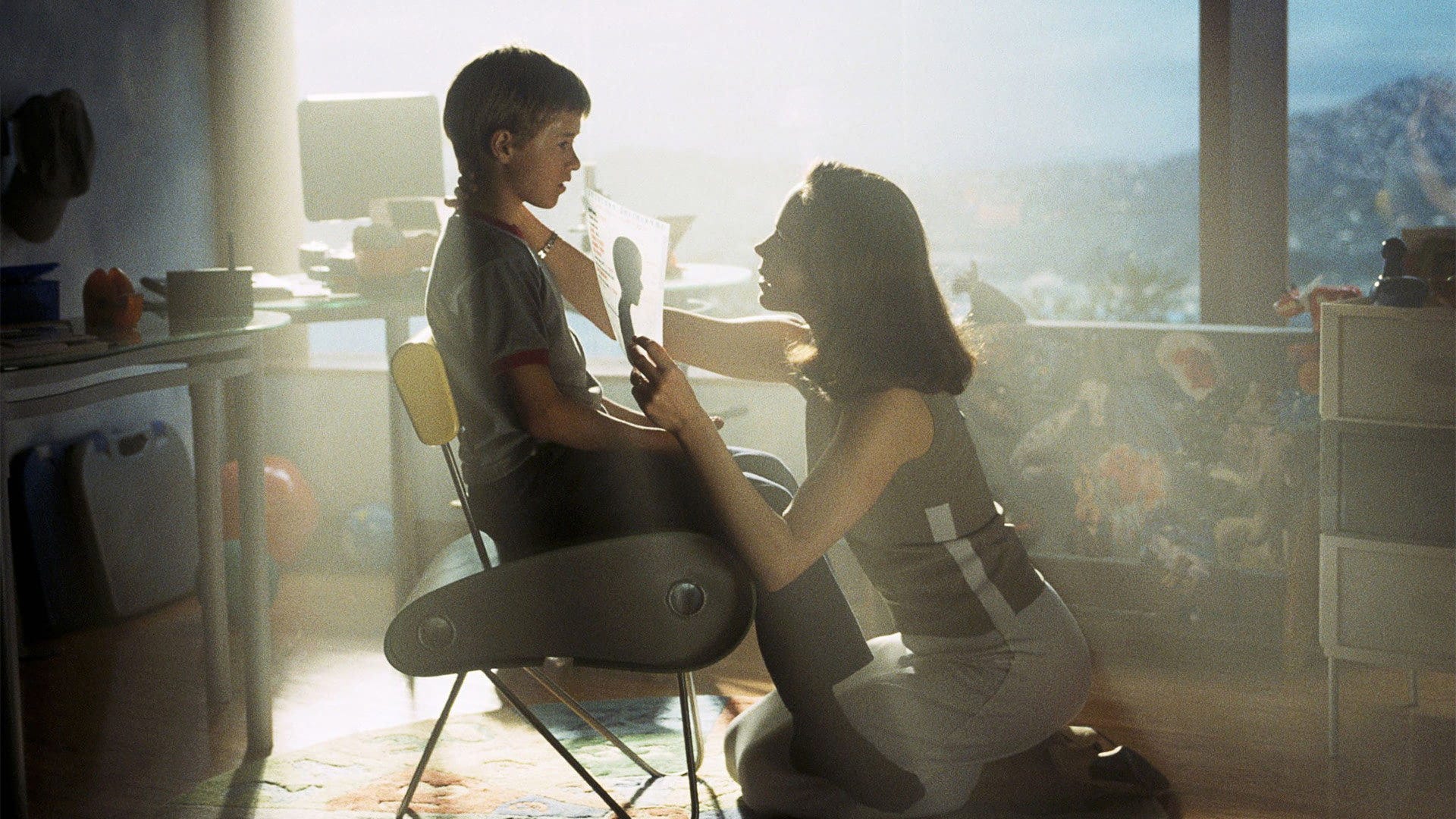
I remember watching this film in the theater when it first came out, and even though I enjoyed it in general, I don’t think it was possible for me to really appreciate how complex the narrative really is in terms of intrinsic value systems, and the whole Turing test thing.
One thing I thought was kind of interesting in this film is that I kind of see it as a spiritual opposite of Schindler’s List. Where in one, you have a black-and-white film that takes place in the past, and here you have this incredibly vibrant film that takes place in the future. Past that, you have to look at Schindler’s List as an uplifting story that takes place in a history laced with tragedy and hopelessness, while A.I. is a tragic story that follows a boy with all the hope in the world.
There really is this somber tone to this film that is endlessly sad. This robotic boy is essentially programmed to never stop loving his owner, but when he’s discarded like trash by those very people, he devotes his entire life... thousands of years of his life... to his human family because he knows no better. And he allows himself to be treated poorly. He allows himself to be tortured, essentially, in a journey to find the famous Blue Fairy so he can be a real boy and be loved by his mom. Only... this is not Pinocchio. And the Blue Fairy doesn’t exist. Which means you know going in that this boy is doomed to experience the coldness and callousness of humanity in a tragic way that no human being can thankfully ever experience.
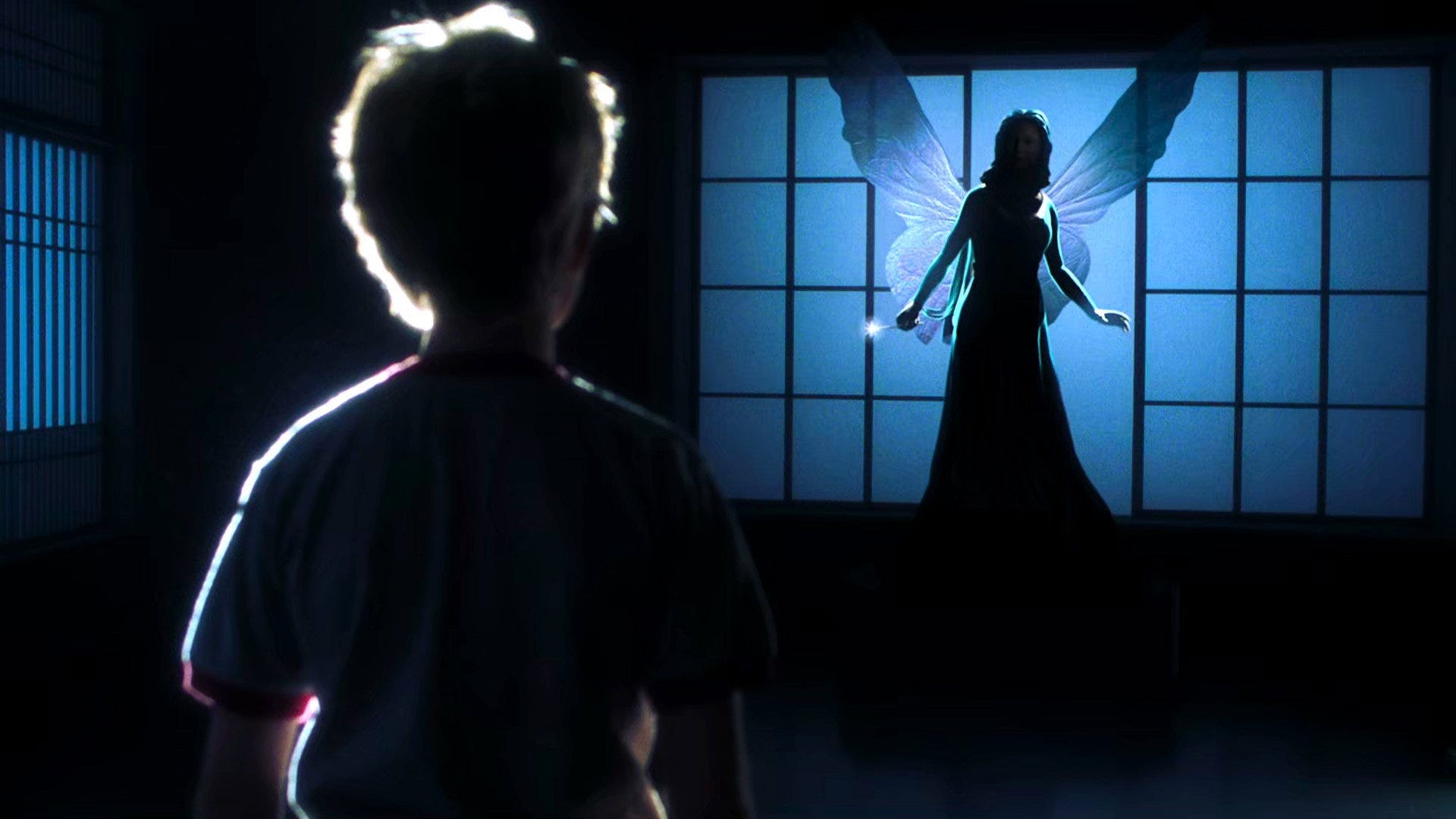
Haley Joel Osment, man. This time in his life... he was a kid actor to follow. I mean, The Sixth Sense... terrifying film, and he plays that kid so well. A.I.... super complex character, and again he kills it in the role. But you also have an assortment of other actors, as you often do with Spielberg, that are instantly recognizable and they all do a great job... people like Jude Law, Brendan Gleeson, William Hurt, among others.
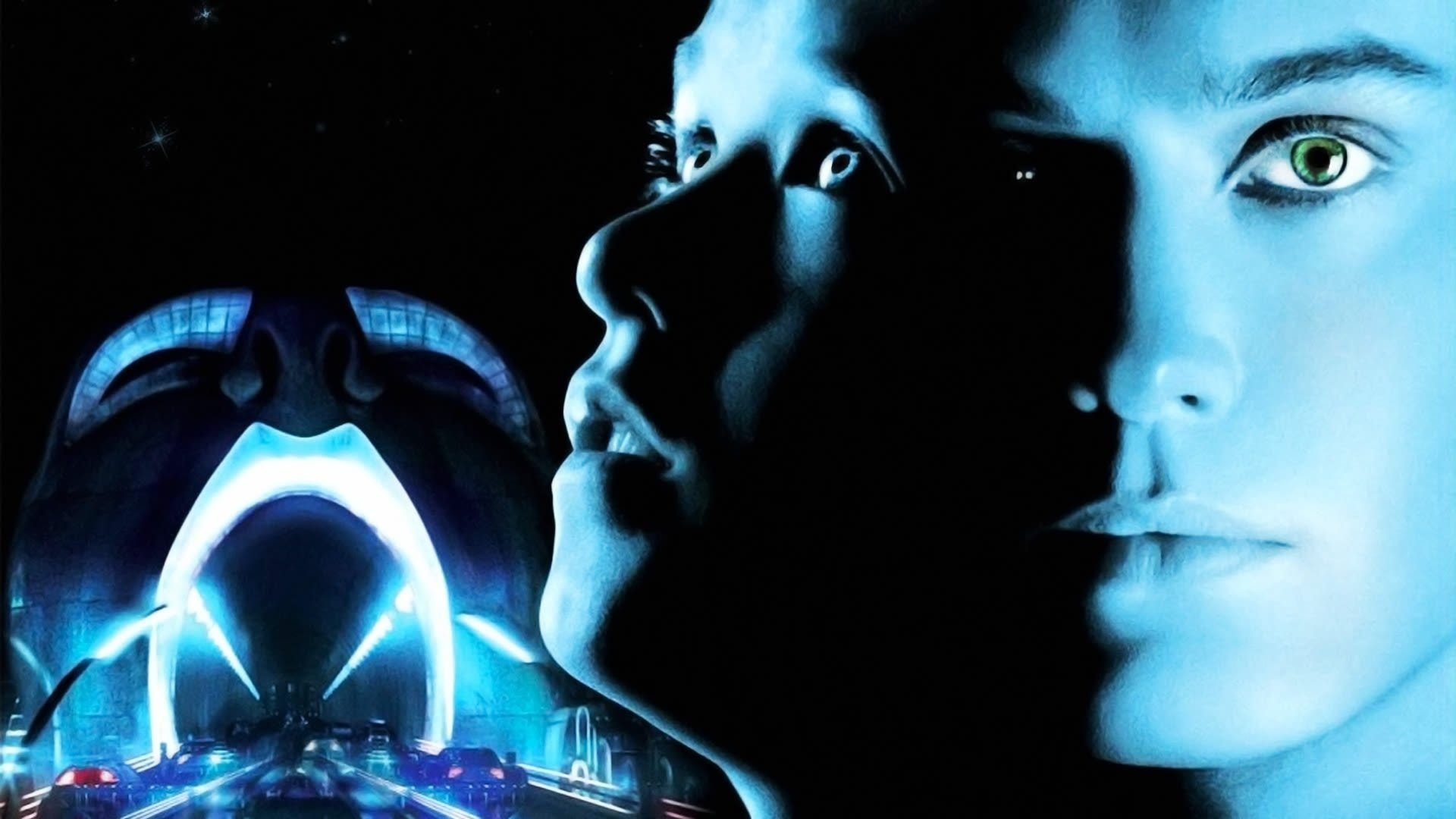
I also think the dystopic, futuristic landscape of the film is bleak, depressing, and also somewhat believable, since human beings are predictably lazy, twisted, cold... and we’ve done nothing in the last few thousand years but get worse... and this film is a good reflection of that.
In general, this is a solid Spielberg film. It’s not necessarily my favorite from his roster, nor do I think it’s the absolute most memorable either. However, just like the rest of his movies, it is well made, well performed, and if you allow it to be, it’s also super thought-provoking about who we are as people, how we determine personhood, and how we determine what a soul is. And if we were to really make a robotic child like this in the future, would that be a smart choice? Would we look at this creature as a soulless robot that can feel nothing and simply just feign emotions... or would we say they actually can feel something? After all, when we look at other people, we say they can feel. Everything is in the eye of the beholder... so who is to say if a robot can feel or not.
Unbiased/Technical Score: 45/50 (90%)
Biased/Entertainment Score: 39/50 (78%)
Combined Total Score: 84/100 (84%) | 4/5 on Letterboxd